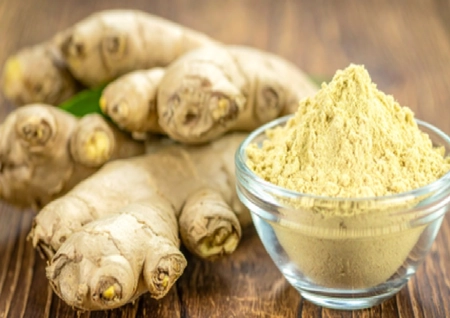
Ginger, known as ‘Sonth’ in Ayurveda, is often referred to as a ‘maha-aushadhi’ or great medicine due to its numerous health benefits. It has been used for centuries in traditional medicine systems to treat a variety of ailments. Ginger is highly regarded for its anti-inflammatory properties, digestive benefits, and ability to boost the immune system. It is commonly used to alleviate nausea, improve digestion, and relieve respiratory issues. Additionally, ginger is rich in antioxidants and has been linked to improved cardiovascular health.
However, while ginger offers many advantages, it is essential to be aware of its potential side effects and contraindications before incorporating it into your diet. Overconsumption of ginger can lead to gastrointestinal issues such as heartburn, diarrhea, and stomach upset. Individuals on certain medications, particularly blood thinners, should exercise caution, as ginger can enhance the effects of these drugs, increasing the risk of bleeding. Pregnant women are also advised to consult healthcare professionals before using ginger in large quantities, as it may have effects on hormone levels and could potentially affect pregnancy.
In conclusion, while ginger is a powerful herbal remedy with a plethora of health benefits, it is crucial to use it wisely and in moderation. Understanding both its positive effects and potential risks will help individuals make informed decisions about its use in their daily lives. As with any natural remedy, consulting with a healthcare provider before starting any new treatment regimen is always advisable, especially for those with pre-existing health conditions or those taking medication.