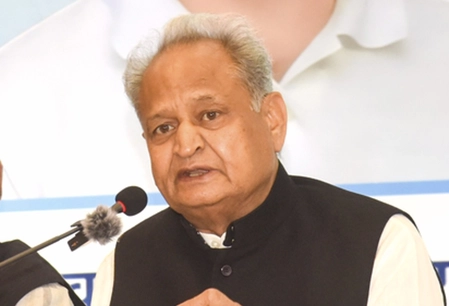
Ashok Gehlot has raised questions regarding the claims of ‘good governance’ made by the Rajasthan government. His remarks come in the wake of various issues that have been prevalent in the state, including concerns over transparency, accountability, and the efficient delivery of public services. Gehlot’s critique points towards a disconnect between the government’s assertions of progress and the realities faced by the citizens of Rajasthan.
He emphasized that while the government may highlight various development initiatives, the ground reality tells a different story. Issues such as corruption, bureaucratic inefficiencies, and inadequate infrastructure continue to plague the state, undermining the very essence of good governance that the administration claims to uphold. Gehlot’s challenge to the government’s narrative serves as a reminder that governance is not merely about policies and announcements but also about tangible outcomes that impact the lives of the people.
Moreover, Gehlot has called for a more participatory approach in governance, urging the government to engage with the community and consider their feedback and grievances seriously. He believes that a government should be accountable to its citizens and should work collaboratively to address their needs and aspirations. This perspective highlights the importance of a responsive and responsible administration that prioritizes the welfare of its people above all else.
In conclusion, Ashok Gehlot’s challenge to the claims of good governance in Rajasthan reflects a broader discourse on the effectiveness and integrity of governmental institutions. His call for accountability and transparency resonates with many citizens who seek genuine progress and improvement in their daily lives. As the political landscape continues to evolve, it remains crucial for the government to not only make promises but also deliver on them, ensuring that the ideals of good governance are translated into real and lasting benefits for the people of Rajasthan.