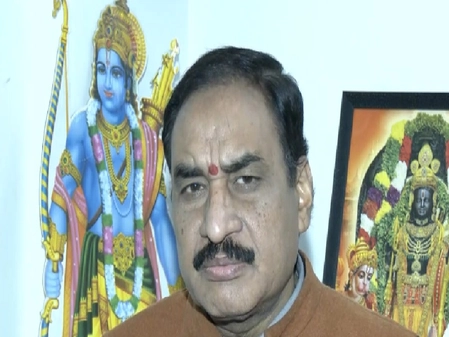
Vinod Bansal, the national spokesperson of the Vishwa Hindu Parishad (VHP), has directed a sharp criticism at the Congress party regarding its stance on the revered Hindu text ‘Godan.’ His remarks come in response to recent statements made by Congress leaders that Bansal claims misinterpret the essence of this significant work of literature. ‘Godan,’ written by renowned author Premchand, holds a special place in Indian literature and is often regarded as a poignant reflection of rural life and the socio-economic conditions of the time.
Bansal emphasized the importance of respecting cultural and religious texts, urging the Congress party to reconsider its comments and approach towards ‘Godan.’ He asserted that such statements not only misrepresent the text but also hurt the sentiments of millions who revere it. He called for an apology from the Congress leaders, suggesting that their comments could further exacerbate divisions in society. The VHP spokesperson’s call for accountability aims to highlight the need for political parties to engage constructively with cultural issues rather than dismiss them or use them for political gain.
In a broader context, Bansal’s statements reflect ongoing tensions in Indian politics, where cultural narratives and religious sentiments often intersect with political discourse. The call for an apology is not merely a demand for accountability but also a plea for greater sensitivity towards the diverse beliefs and values that constitute Indian society. As political parties engage in discussions about literature, history, and culture, it becomes crucial for them to approach these subjects with respect and an understanding of their significance to various communities. This incident underscores the delicate balance that political entities must maintain while navigating the complex landscape of cultural identity in India.