High uric acid levels can lead to various health issues, particularly gout, which is characterized by painful inflammation in the joints. A crucial aspect of managing uric acid levels is dietary choices, particularly the consumption of pulses, such as lentils, beans, and peas, which are staple sources of protein. However, not all pulses are created equal when it comes to their effects on uric acid levels.
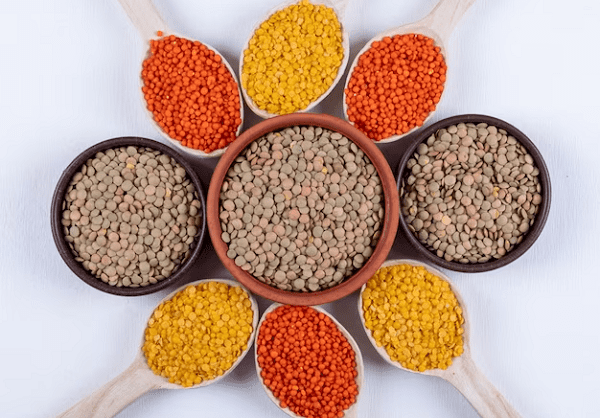
Certain pulses are safer to consume for individuals with high uric acid, while others should be limited. For example, lentils and chickpeas are considered good options due to their relatively lower purine content, which is the compound that breaks down into uric acid in the body. Incorporating these pulses into a balanced diet can provide essential nutrients without significantly raising uric acid levels. On the other hand, pulses like kidney beans and black beans are known to have higher purine levels and may need to be consumed in moderation.
Dietitians recommend focusing on portion control and the overall dietary pattern rather than eliminating specific foods entirely. A diet rich in fruits, vegetables, whole grains, and low-fat dairy, combined with moderate consumption of low-purine pulses, can help manage uric acid levels effectively. Staying hydrated and maintaining a healthy weight are also vital components of managing this condition. It’s essential to consult with a healthcare professional or a registered dietitian who can provide personalized dietary recommendations tailored to individual health needs and conditions.