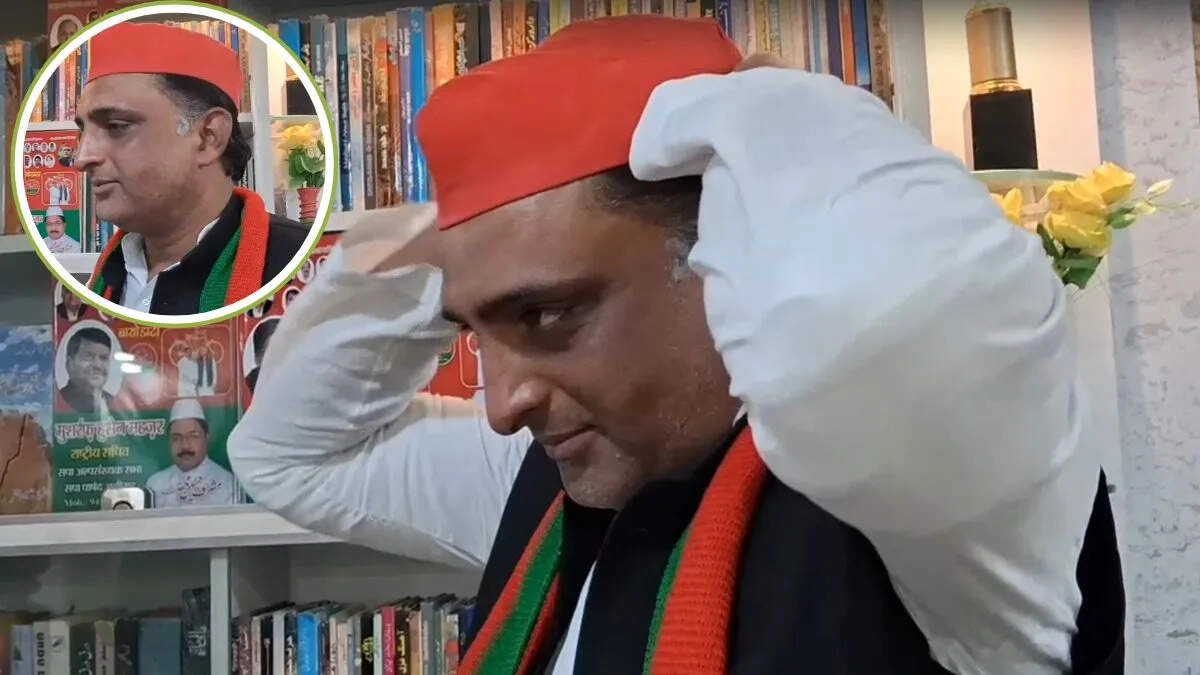
A video featuring a doppelgänger of Akhilesh Yadav, the president of the Samajwadi Party (SP), has gone viral and is capturing the attention of many, including staunch supporters of the party. The resemblance is so striking that even the most dedicated party members might be taken aback upon seeing this lookalike. This uncanny similarity raises questions about identity and the impact of public figures on social media.
In the video, the individual mimicking Akhilesh Yadav showcases not only his physical appearance but also his mannerisms and style of speech, making it difficult for viewers to distinguish between the two. The phenomenon of lookalikes is not new, but when it involves a political figure, it can generate significant buzz and conversation among the public and media alike. This viral content serves as both entertainment and a commentary on the nature of political celebrity, where image and perception play crucial roles.
As the video spreads across various platforms, it sparks discussions among viewers about the influence of social media in shaping public perception of political leaders. Supporters of the Samajwadi Party might find themselves amused or bewildered, while opponents could leverage the situation to question the authenticity of political personas. The event illustrates how easily misinformation and parody can proliferate in the digital age, impacting political discourse in unexpected ways.
In summary, the viral video of Akhilesh Yadav’s lookalike is a reminder of the powerful intersection between politics and social media. It highlights the importance of image in contemporary political landscapes and how doppelgängers can inadvertently contribute to the narrative surrounding a public figure. As this phenomenon continues to unfold, it will be interesting to see how it affects the perceptions of Akhilesh Yadav and the Samajwadi Party moving forward.