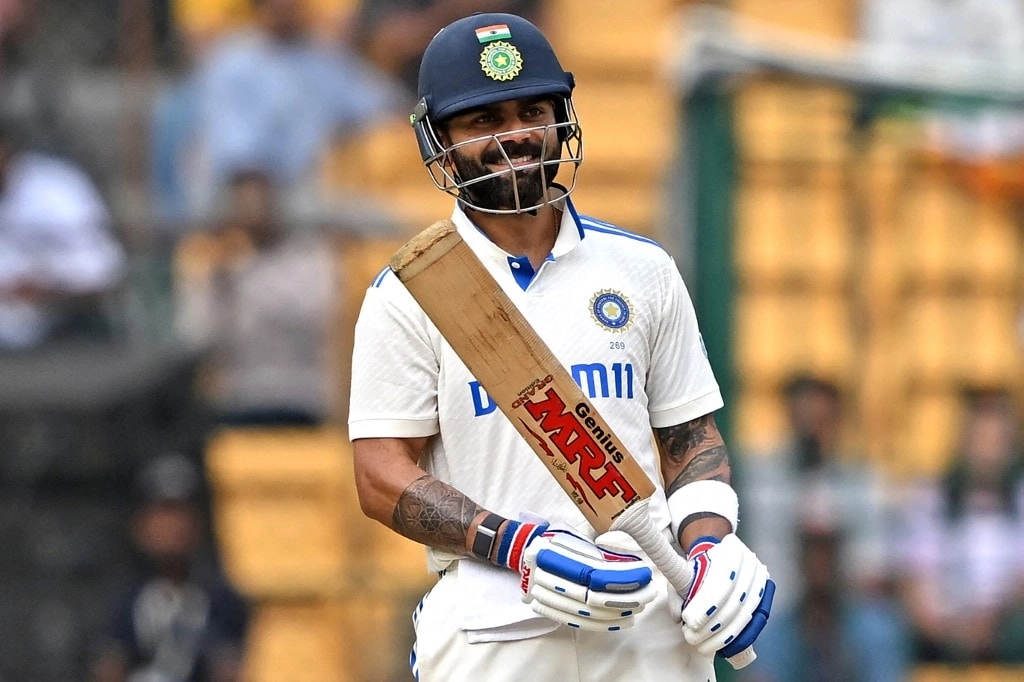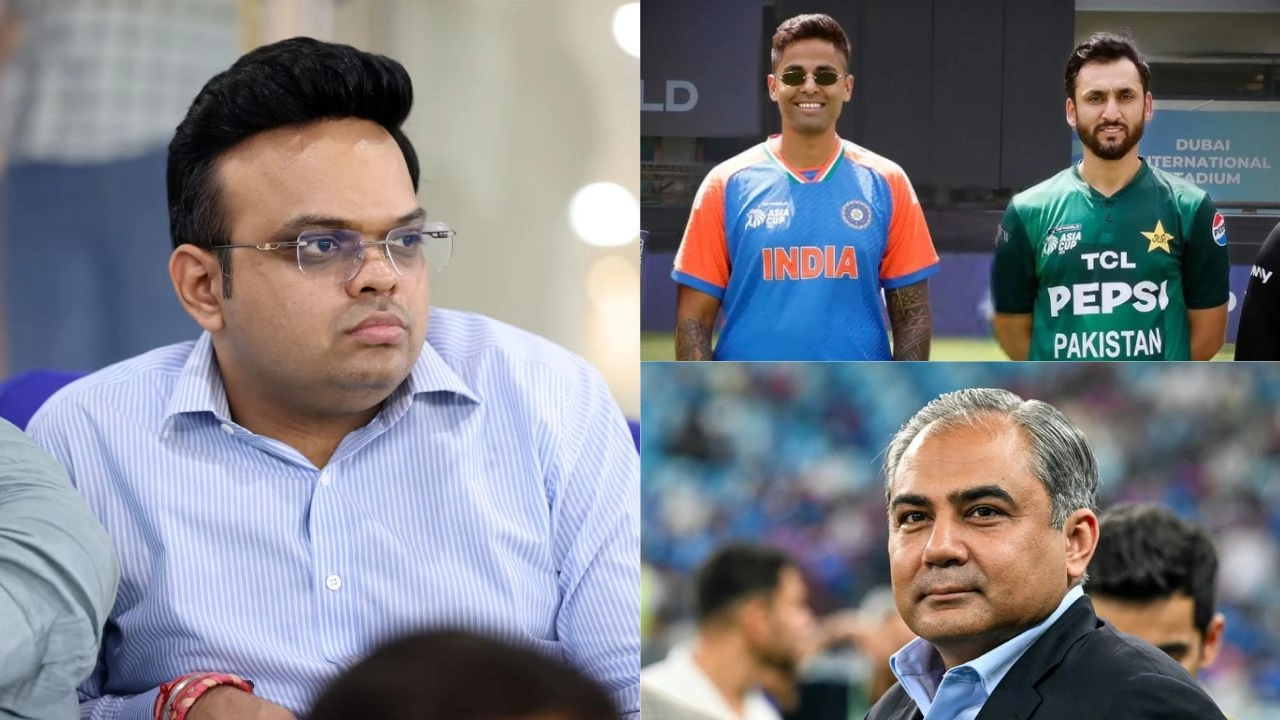
Pakistan has officially confirmed its participation in the upcoming T20 World Cup, but the nation has made it clear that it will not face India in the tournament. This decision has sent shockwaves through the cricketing world and has sparked intense debates about the future of cricketing relations between the two rival nations. Pakistan’s stance is rooted in ongoing political tensions and security concerns, which have historically influenced their cricketing fixtures against India. The call for a boycott of the India-Pakistan match is seen as a move to protest against the perceived injustices and hostilities that have marked their bilateral relations.
The implications of this decision stretch beyond the cricket pitch. Fans, analysts, and former players are weighing in on the situation, highlighting how the absence of a match between these two cricketing giants would significantly impact the tournament’s viewership and overall excitement. India vs. Pakistan matches are often regarded as the pinnacle of cricketing rivalry, drawing millions of viewers from around the globe. A boycott could lead to a decrease in engagement and enthusiasm for the T20 World Cup, raising questions about the future of such high-stakes encounters in international cricket.
Moreover, this boycott could set a precedent for how political issues intertwine with sports. It raises concerns about the integrity of sporting events and whether political tensions should influence participation in global competitions. The cricketing community is now grappling with the repercussions of this decision, as it challenges the spirit of sportsmanship that cricket is known for. The call for a boycott is not just a statement about cricket; it reflects deeper societal issues and the ongoing complexities of diplomacy between nations. As the World Cup approaches, all eyes will be on how this situation unfolds and what it means for the future of cricket, particularly in South Asia.