Kashmir, a region steeped in historical and cultural significance, has long been a focal point of political and ideological conflict. In recent years, the concept of “narrative terrorism” has emerged, referring to the systematic dissemination of misleading or harmful narratives aimed at undermining the region’s stability and integrity. However, it is essential to recognize that such tactics will not weaken the spirit and resilience of the people of Kashmir. The complexity of the Kashmir issue cannot be simplified by distorted narratives; rather, it demands a nuanced understanding that respects the voices and experiences of its inhabitants.
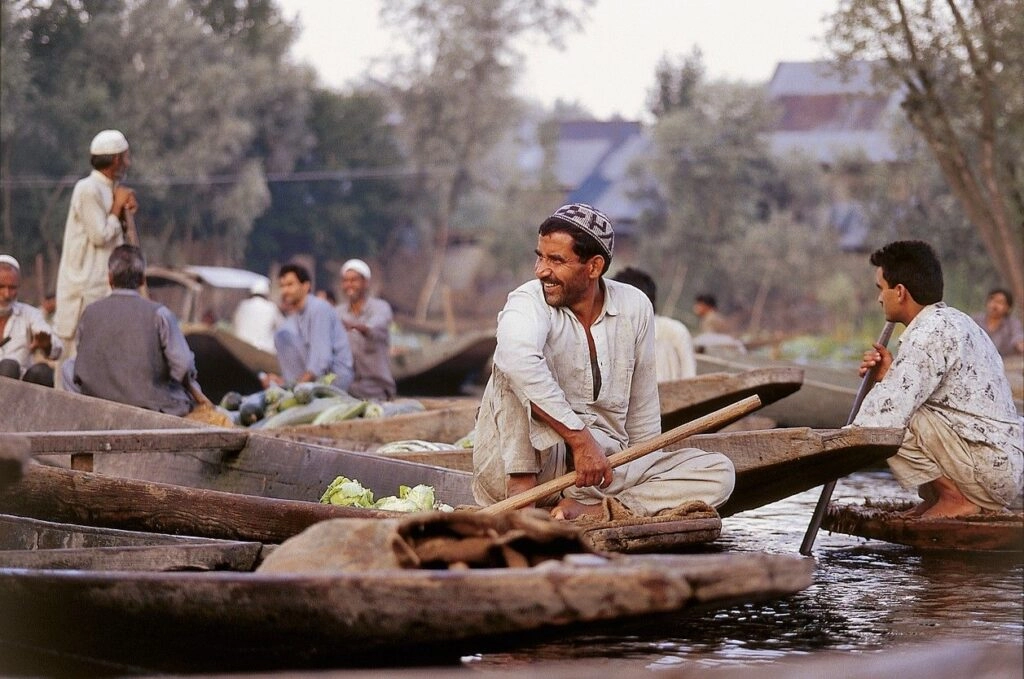
The people of Kashmir possess a rich cultural heritage and a strong sense of identity that cannot be easily eroded by negative portrayals or misinformation. Despite the challenges they face, including political unrest and social upheaval, the Kashmiri community continues to demonstrate remarkable resilience. Their ability to withstand external pressures and maintain their cultural and social fabric is a testament to their strength. In the face of narrative terrorism, it is crucial for the people of Kashmir to reclaim their narrative, sharing their stories and experiences authentically, thereby countering the harmful stereotypes and narratives imposed upon them.
Furthermore, the international community plays a vital role in addressing the complexities of the Kashmir issue. By promoting dialogue and understanding, global actors can help illuminate the realities faced by the Kashmiri people, encouraging a more balanced and informed perspective. It is imperative to move beyond sensationalism and engage in constructive conversations that foster peace and reconciliation. In doing so, we can help ensure that Kashmir remains a region defined by its rich history and vibrant culture, rather than one overshadowed by conflict and misunderstanding. Ultimately, it is the voices and agency of the Kashmiri people that will determine their future, and they will not be silenced by the forces of narrative terrorism.