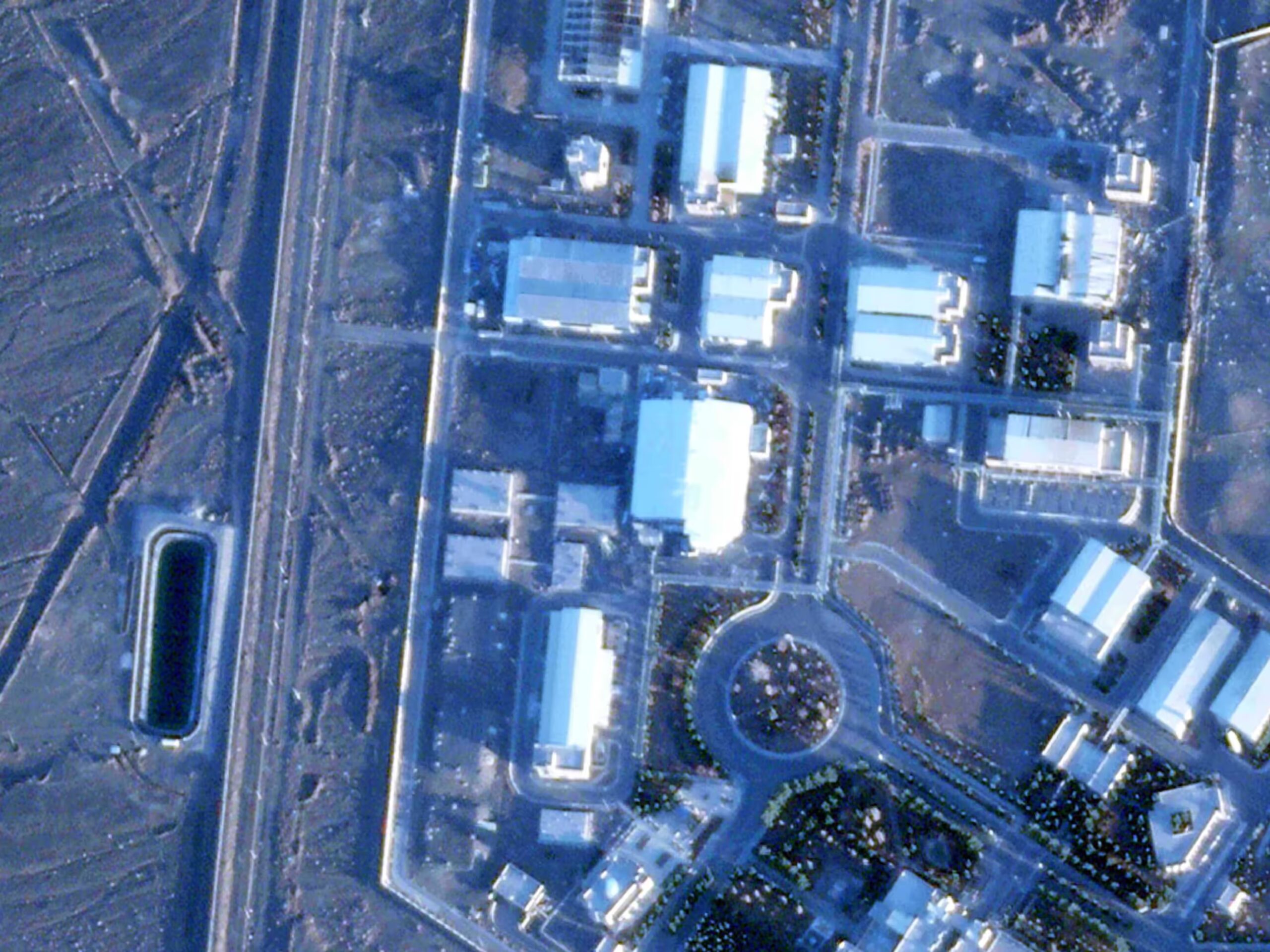
Iran’s silent preparations are raising alarms. Recent satellite imagery has revealed that the country is reinforcing its nuclear facilities, which have previously been targets of international scrutiny due to their potential for developing nuclear weapons. The re-fortification of these sites suggests that Iran is taking significant measures to protect its nuclear infrastructure from potential attacks. This development has heightened tensions between the United States and Israel, both of which view a nuclear-armed Iran as a direct threat to regional and global security.
The imagery indicates that Iran is not only reinforcing existing structures but may also be expanding its capabilities. This has prompted both American and Israeli officials to reassess their strategies regarding Iran. The fear is that if Iran successfully develops and maintains a nuclear arsenal, it could shift the balance of power in the Middle East, emboldening Tehran’s influence and actions in the region.
As the situation unfolds, diplomatic efforts are likely to intensify, with both the U.S. and Israel exploring various options to counter Iran’s advances. The possibility of military action, though not openly discussed, remains a lingering concern in the backdrop. Analysts suggest that Iran’s actions could provoke a new wave of conflict in the region, as neighboring countries may feel compelled to respond to the perceived threat. This ongoing situation underscores the fragile nature of Middle Eastern geopolitics and the delicate balance of power that is constantly in flux.