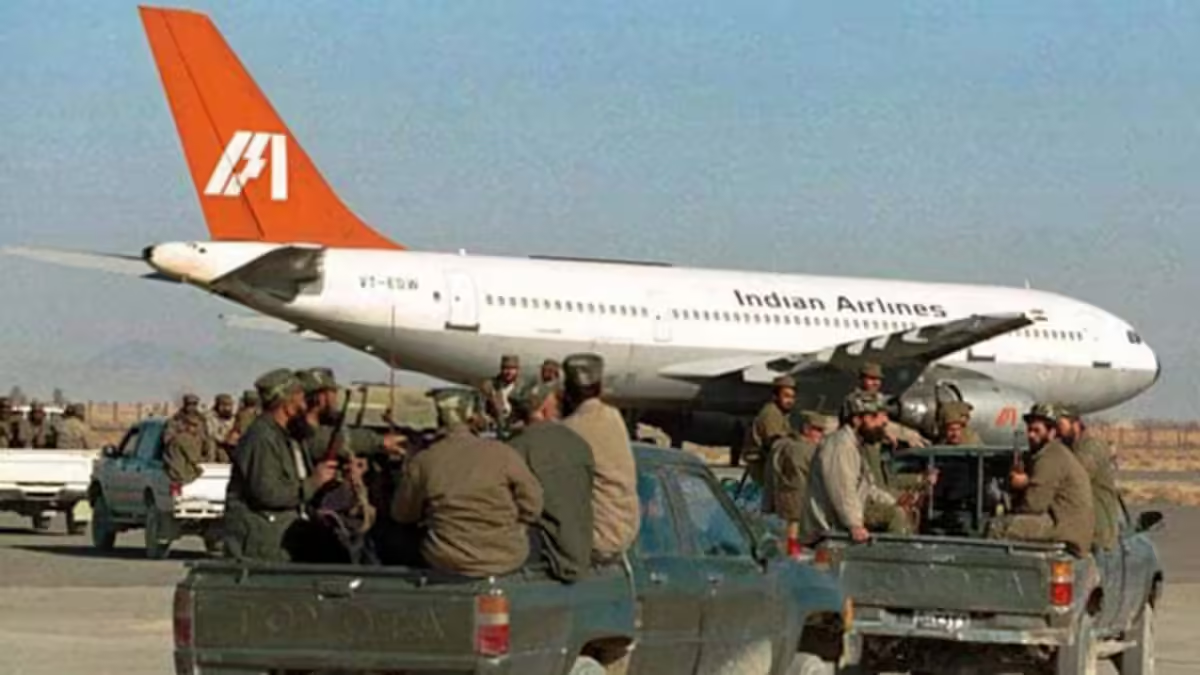
The Kandahar hijacking incident, which occurred in December 1999, remains one of the most significant and alarming terrorist acts in Indian history. A group of armed terrorists hijacked Indian Airlines Flight 814, which was en route from Kathmandu to Delhi. This shocking event not only put the lives of the passengers and crew in grave danger but also exposed the vulnerabilities of aviation security in the region. Years later, new revelations have emerged, shedding light on the true intentions of the hijackers and the extent of their plans.
Reports indicate that the hijackers had a specific target in mind when they took control of the aircraft. Their goal was not merely to gain attention or demand ransom; rather, they aimed to execute a more sinister plot that involved a substantial loss of life. The terrorists had initially planned to crash the aircraft into a strategic location or use it as a bargaining chip to further their extremist agenda. This revelation underscores the seriousness of the threat posed by such terrorist organizations and the lengths they are willing to go to achieve their objectives.
The aftermath of the hijacking prompted substantial changes in security protocols and counter-terrorism measures in India and across the globe. The incident served as a wake-up call for authorities to reassess their strategies and enhance the safety of air travel. The government’s negotiation with the hijackers ultimately led to the release of hostages in exchange for terrorists held in Indian jails, a decision that remains contentious to this day. This event not only highlighted the challenges of dealing with terrorism but also raised questions about the effectiveness of diplomatic negotiations in such high-stakes situations.
The Kandahar hijacking continues to be a topic of discussion among security experts, historians, and the public alike. The lessons learned from this incident are essential for understanding the evolving nature of terrorism and the need for robust preventive measures. As we reflect on this dark chapter in history, it is crucial to remain vigilant and committed to ensuring the safety of our skies and the well-being of innocent civilians.