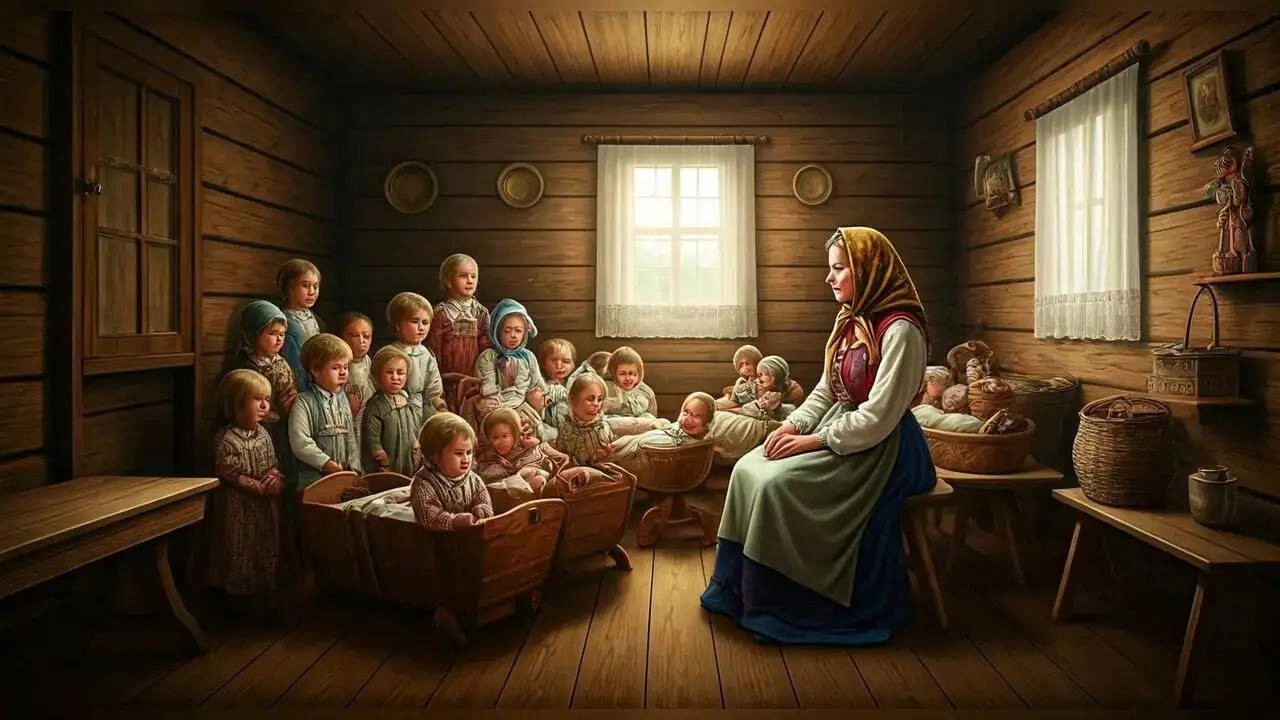
Throughout history, the question of which woman has given birth to the most children often stirs curiosity and intrigue. Many people might be surprised to learn that the record for the highest number of births is attributed to a woman from the 18th century named Feodor Vassilyev’s wife, a peasant from Shuya, Russia. This extraordinary woman reportedly gave birth to a staggering total of 69 children between the years 1725 and 1765. Her remarkable feat consisted of multiple births, including 16 pairs of twins, 7 sets of triplets, and 4 sets of quadruplets.
This record, although astonishing, raises questions about the health implications and societal conditions surrounding such prolific childbirth. In the 18th century, maternal mortality rates were significantly higher than today, and the physical strain of bearing numerous children could have serious consequences for a woman’s health. Furthermore, the historical context is essential to understand how such large families were perceived and managed in agrarian societies, where having more children often meant more hands to help with the labor-intensive work of farming.
In contemporary discussions, the idea of childbirth is often intertwined with women’s rights, health care access, and family planning. The narrative surrounding childbirth has evolved significantly, with a focus on women’s autonomy over their reproductive choices. While the story of Feodor Vassilyev’s wife is remarkable, it also highlights the need for a deeper understanding of the societal and health factors that influence childbirth.
Today’s advancements in medicine and family planning have altered the landscape of childbirth, allowing women more choices and control over their reproductive lives. As a result, the conversation about childbirth extends beyond mere numbers; it encompasses issues of health, rights, and the quality of life for mothers and children alike. Thus, while the record of the woman with the most births is fascinating, it serves as a reminder of the complexities surrounding motherhood throughout history and in contemporary society.