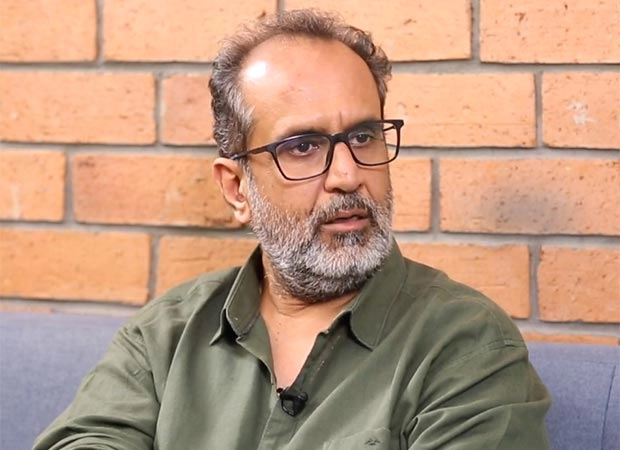
Aanand L Rai has recently responded to the ongoing legal dispute concerning the intellectual property rights of his acclaimed film “Raanjhanaa,” which has led to a significant lawsuit amounting to Rs 84 crores. The filmmaker expressed his views on the matter, indicating that he does not perceive the lawsuit as having any substantial significance. Rai’s reaction highlights a sense of detachment from the legal proceedings, suggesting that he believes the essence of his work transcends financial disputes.
The lawsuit revolves around claims related to the intellectual property associated with “Raanjhanaa,” a film that gained considerable popularity for its unique storytelling and compelling performances. Rai’s stance suggests that he prioritizes the artistic value and impact of his creations over the monetary aspects tied to them. By dismissing the lawsuit’s relevance, Rai emphasizes his conviction that creative expressions cannot be quantified solely by financial metrics.
While legal battles in the film industry are not uncommon, especially concerning intellectual property, Rai’s comments reflect a broader sentiment among artists who often grapple with the commercial aspects of their work. The director’s response invites a discussion on the balance between artistic integrity and the legal frameworks that govern the creative industry. As the case unfolds, it remains to be seen how it will affect Rai’s reputation and future projects, but his focus seems to remain firmly on the art of filmmaking rather than the ongoing litigation.
In an industry rife with disputes over intellectual property, Rai’s perspective serves as a reminder of the deeper connections that films create with audiences, which often go beyond the confines of legal entanglements. As the situation develops, it will be interesting to observe how both the legal implications and Rai’s artistic vision evolve in response to this high-profile case.