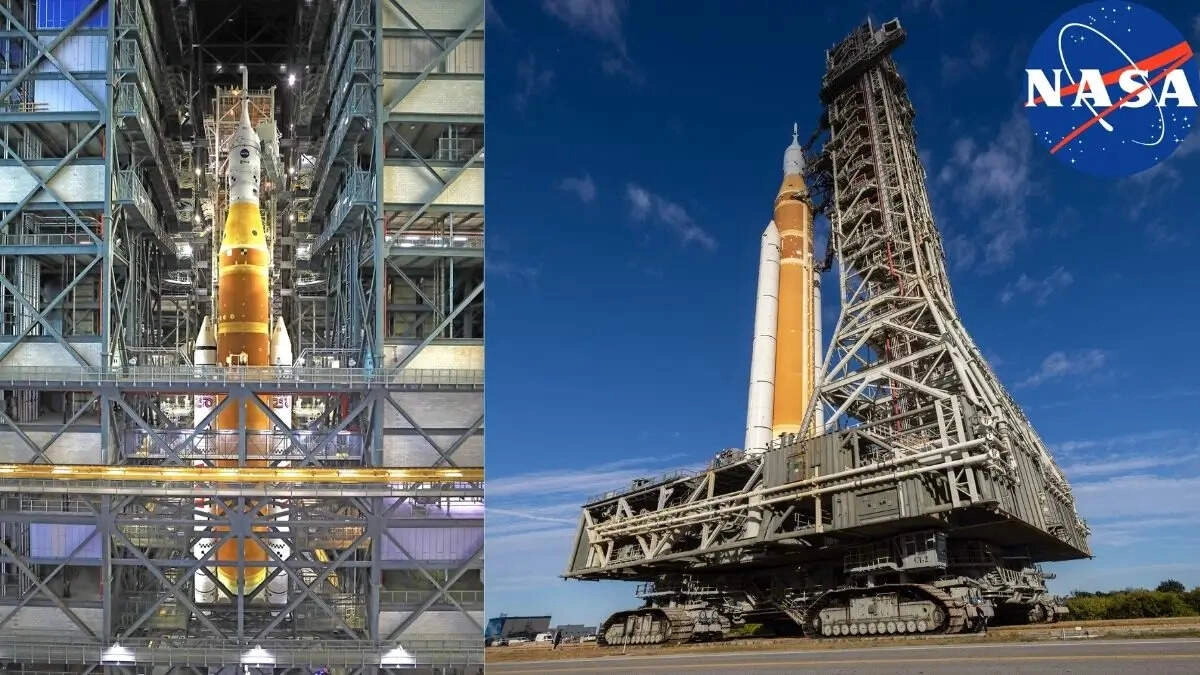
Artemis II mission marks a significant milestone in international collaboration for space exploration. This ambitious endeavor aims to take humans back to the Moon, building upon the successes of the Artemis I mission. Various countries are participating in this mission, each contributing unique expertise and resources, thereby enhancing the collective effort to explore lunar environments and beyond.
Among the participating countries, NASA leads the mission as the primary agency, coordinating efforts and overseeing the overall project. Canada is contributing by providing advanced robotics technology, including the Canadarm3, which will play a crucial role in supporting lunar operations. The European Space Agency (ESA) is also a key player, supplying the service module that will power and support the Orion spacecraft, ensuring that it is equipped for crewed missions.
Other countries, such as Japan and the United Arab Emirates, are also involved in this international collaboration, focusing on various aspects of the mission. Japan is expected to provide critical scientific instruments and technology for lunar exploration, while the UAE is looking to contribute through its expertise in satellite communications and Earth observation. This collaborative approach not only strengthens the mission but also fosters international partnerships in the field of space exploration, paving the way for future endeavors beyond the Moon.
As the world unites for Artemis II, the mission exemplifies how global cooperation can lead to groundbreaking advancements in our understanding of space. The shared responsibilities and contributions from each nation highlight the importance of working together to achieve common goals, ultimately pushing the boundaries of human exploration.