In Ayodhya, the religious significance of the Ram Lalla idol has been a focal point for devotees and followers of Lord Rama. The prana pratistha, or the consecration ceremony, of Ram Lalla marks a significant milestone in the cultural and spiritual landscape of India. Two years have now passed since this auspicious event, symbolizing not just a religious rite but also the deep-rooted faith and devotion of millions of Hindus worldwide. This ceremony was a moment of joy for many, as it marked the culmination of decades of effort and longing for a grand temple dedicated to Lord Rama at the site believed to be his birthplace.
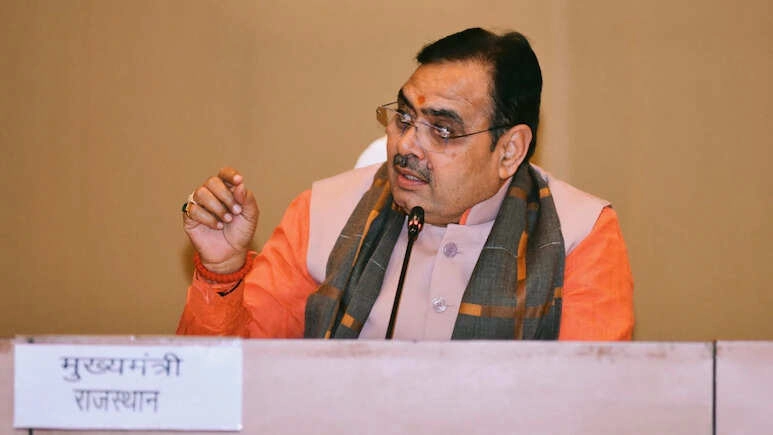
In conjunction with this celebration, the state of Rajasthan has unveiled a remarkable set of development initiatives worth ₹1,590 crore. These plans are aimed at enhancing infrastructure, improving public services, and fostering economic growth in the region. The allocation of such a substantial budget reflects the government’s commitment to advancing the welfare of its citizens and boosting regional development. The focus on these initiatives is expected to create job opportunities, improve transportation networks, and enhance educational facilities, thereby contributing to the overall progress of Rajasthan.
The simultaneous occurrence of these two significant events—the celebration of Ram Lalla’s prana pratistha in Ayodhya and the launch of extensive developmental projects in Rajasthan—highlights the intertwining of cultural heritage and modern governance. It showcases how spiritual milestones can coexist with and inspire material progress. As the nation continues to celebrate its rich traditions while also striving for development, these events stand as a testament to the dynamic nature of Indian society, where reverence for the past and aspirations for the future converge.