
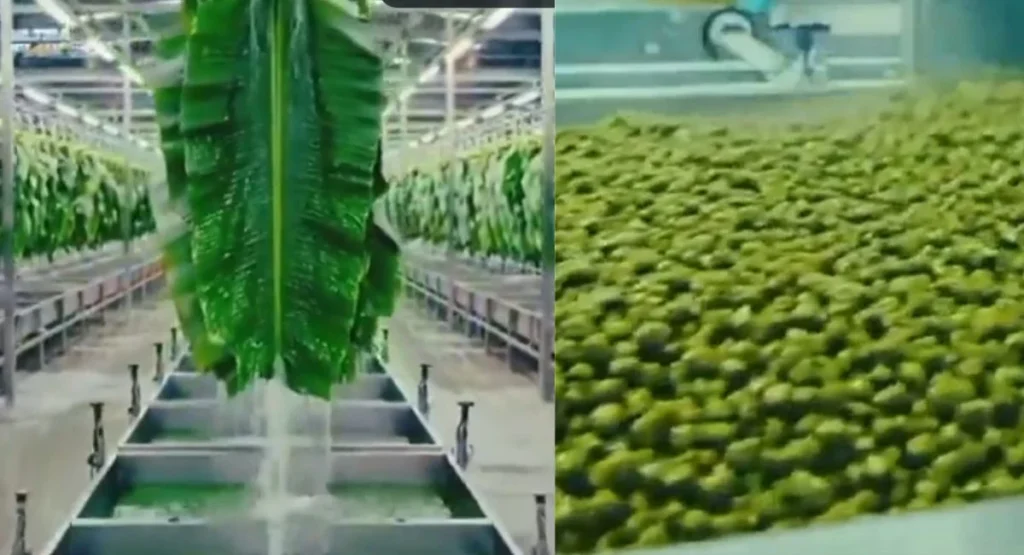
The alarming prevalence of adulteration in various products has raised significant concerns about the safety and quality of what we consume. In recent times, a viral video has surfaced that vividly portrays the grim reality of this issue, leaving many viewers questioning whether any food or beverage can be trusted to be pure. The footage highlights various instances of adulterated goods, showcasing how common items, from milk to spices, are often mixed with harmful substances to increase profit margins. This practice not only poses serious health risks to consumers but also undermines the integrity of the food industry as a whole.
As the video circulated widely, it sparked outrage and prompted discussions about the need for stricter regulations and quality control measures. Many people expressed their shock and disbelief, realizing that what they believed to be safe products may, in fact, be tainted with dangerous additives. The emotional responses triggered by the footage reflect a growing awareness of the importance of food safety and the need for transparency in food production. Consumers are increasingly demanding accountability and are advocating for more stringent testing and labeling practices to ensure that what they purchase is genuinely pure and uncontaminated.
This troubling trend of adulteration raises broader questions about the ethics of food production and the responsibility of manufacturers. It highlights the need for a collective effort to combat these practices and protect public health. As consumers become more informed, they must also take proactive steps to educate themselves about the origins of their food and the potential risks associated with adulterated products. The viral video serves as a wake-up call, urging us all to be vigilant and discerning about what we consume, as well as to support initiatives aimed at promoting food safety and purity in our communities. In a world where trust in food sources is dwindling, the fight against adulteration has never been more critical.


