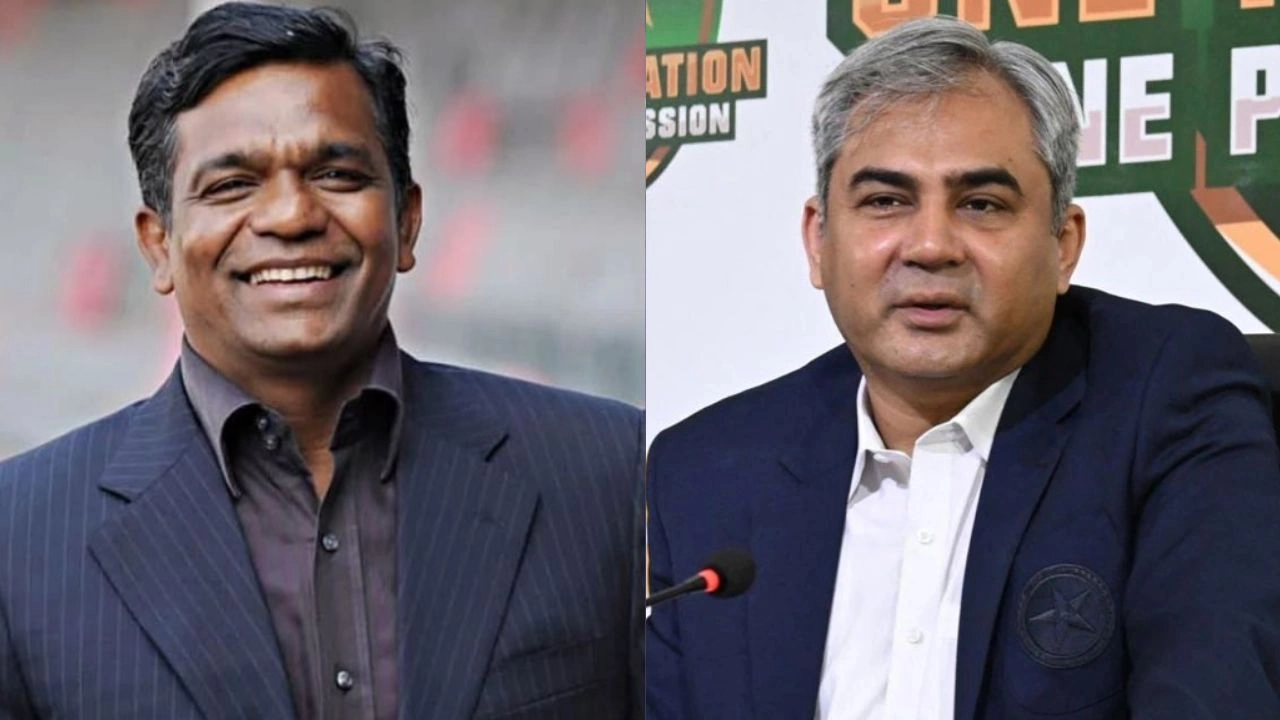
In a surprising turn of events, Mohsin Naqvi has been accused of backstabbing the Bangladesh Cricket Board (BCB) as Pakistan confirmed its participation in the upcoming T20 World Cup, even in the absence of Bangladesh. This development has raised eyebrows and sparked discussions among cricket enthusiasts and analysts alike, as the dynamics of international cricket continue to evolve. The BCB had previously expressed hopes of being a part of the tournament, but with Pakistan’s announcement, their position appears increasingly precarious.
The fallout from this situation could have lasting implications for Bangladesh cricket. The BCB’s efforts to secure a place in the World Cup have been undermined, leading to questions about their strategic planning and relationships with other cricketing nations. The decision by Pakistan to move forward without Bangladesh might not only affect the BCB’s reputation but could also impact team morale and the players’ confidence as they look towards future competitions.
Furthermore, this incident highlights the complexities of international cricket relations and the importance of alliances and agreements among nations. While the cricketing community often celebrates unity and sportsmanship, instances like this remind us of the underlying competitive pressures that can lead to discord. The BCB will need to reassess its strategies and perhaps find new ways to strengthen its position in the international cricket landscape.
As the T20 World Cup approaches, all eyes will be on how Bangladesh responds to this setback. Will they seek to rebuild their relationships with other cricket boards, or will they adopt a more aggressive approach to ensure their place in future tournaments? The coming months will be crucial for the BCB, as they navigate the challenges ahead while trying to maintain their standing in the world of cricket. The stakes are high, and the decisions made now will shape the future of Bangladesh cricket for years to come.