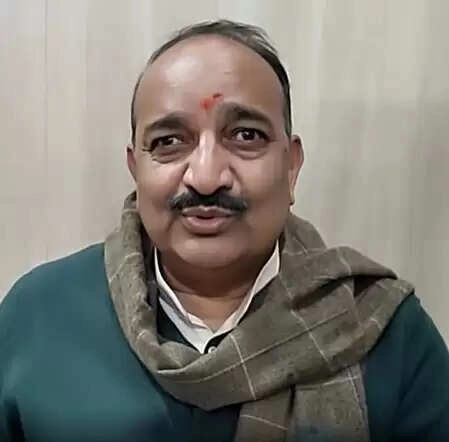
Dayanesh Pratap Singh has made a striking statement regarding Rahul Gandhi, labeling him as politically poor and unemployed. This assertion raises questions about the political landscape in India, particularly concerning the role of prominent leaders and their effectiveness in addressing the pressing issues of poverty and unemployment in the country. Singh’s comments suggest a critique of Gandhi’s political strategies and his ability to connect with the electorate, especially during a time when economic challenges are at the forefront.
In the context of Indian politics, the term “politically poor” may imply that Gandhi lacks the necessary influence or resources to enact meaningful change. It could also reflect a perception that his political actions have not resonated with the masses, leading to a disconnect between him and the voters. Furthermore, the mention of unemployment points to a broader concern regarding the current economic situation in India, where many citizens are grappling with job scarcity and financial instability. Singh’s remarks could be interpreted as a call for more robust leadership that can effectively tackle these critical issues.
As the political landscape continues to evolve, it becomes essential for leaders like Rahul Gandhi to reassess their strategies and engage more effectively with the public. The criticisms from figures like Dayanesh Pratap Singh highlight the challenges faced by political leaders in gaining the trust and support of the electorate. The need for innovative solutions to combat poverty and unemployment has never been more urgent, and how leaders respond to such critiques may very well determine their political future and the direction of the nation as a whole. In this environment, it is crucial for politicians to not only address economic issues but also to foster a sense of hope and empowerment among the people they represent.