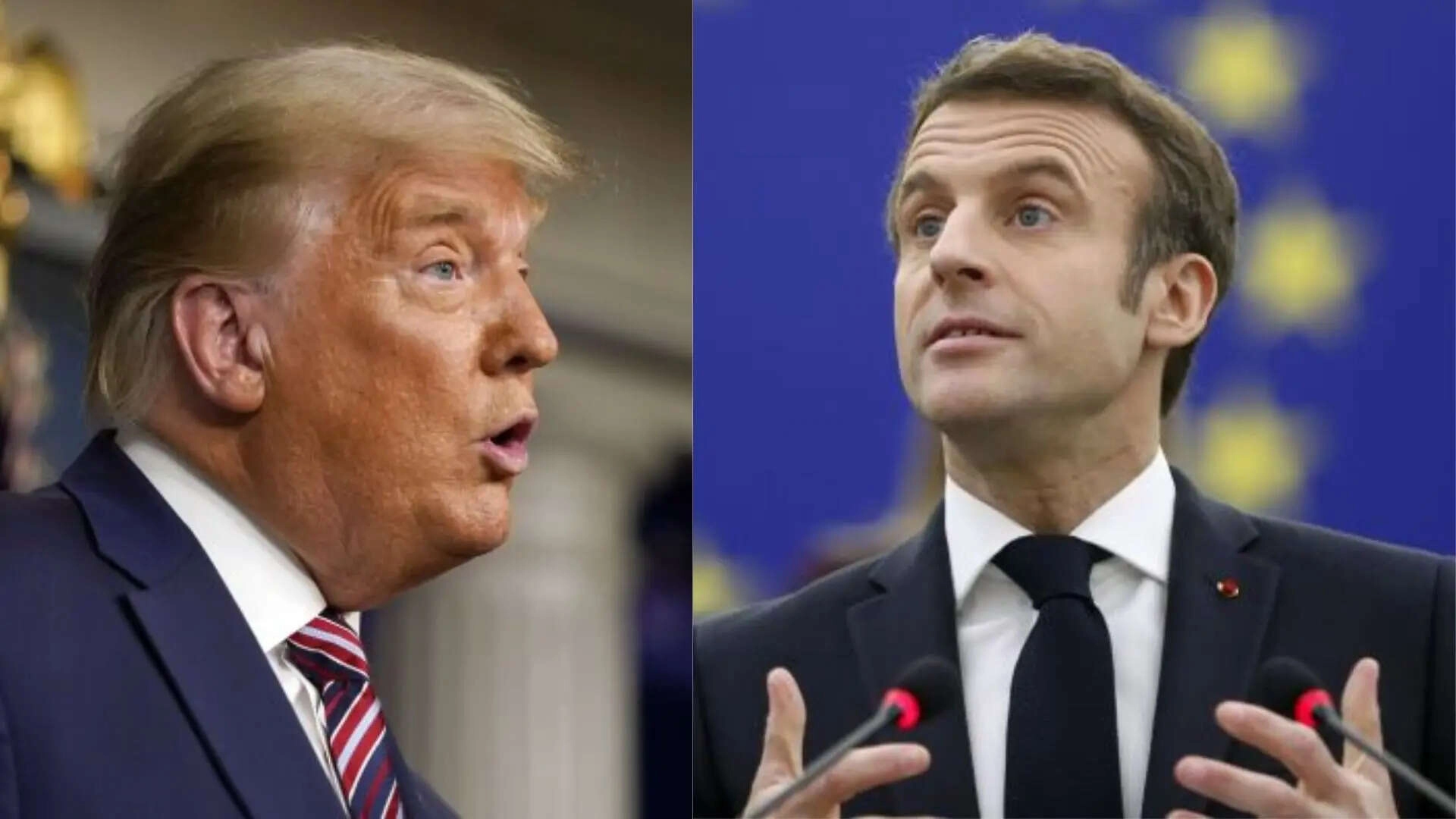
Recently, tensions between the United States and France have escalated, leading to a significant announcement from former President Donald Trump. He has proposed a staggering 200% tariff on French goods, a move that reflects his frustration with French President Emmanuel Macron. The rift between these two leaders appears to stem from a variety of issues, including trade policies, environmental agreements, and differing approaches to international relations.
Trump’s ire seems to be particularly focused on France’s digital services tax, which he believes unfairly targets American tech companies. This tax has been a point of contention, as it is seen as a means for France to gain revenue from successful U.S. tech giants, thereby intensifying the ongoing trade disputes between the two nations. The former president’s harsh rhetoric and proposed tariffs signal a willingness to engage in economic warfare to protect American interests, and his comments about Macron suggest a personal animosity that complicates diplomatic relations.
Moreover, the implications of such a steep tariff could have far-reaching consequences not just for France, but for global trade dynamics. If implemented, a 200% tariff would likely lead to retaliatory measures from France, potentially igniting a trade war that could disrupt markets and economic stability in both countries. As the world watches this unfolding situation, the relationship between the U.S. and France remains precarious, raising questions about the future of international cooperation on various fronts, from trade to climate change.