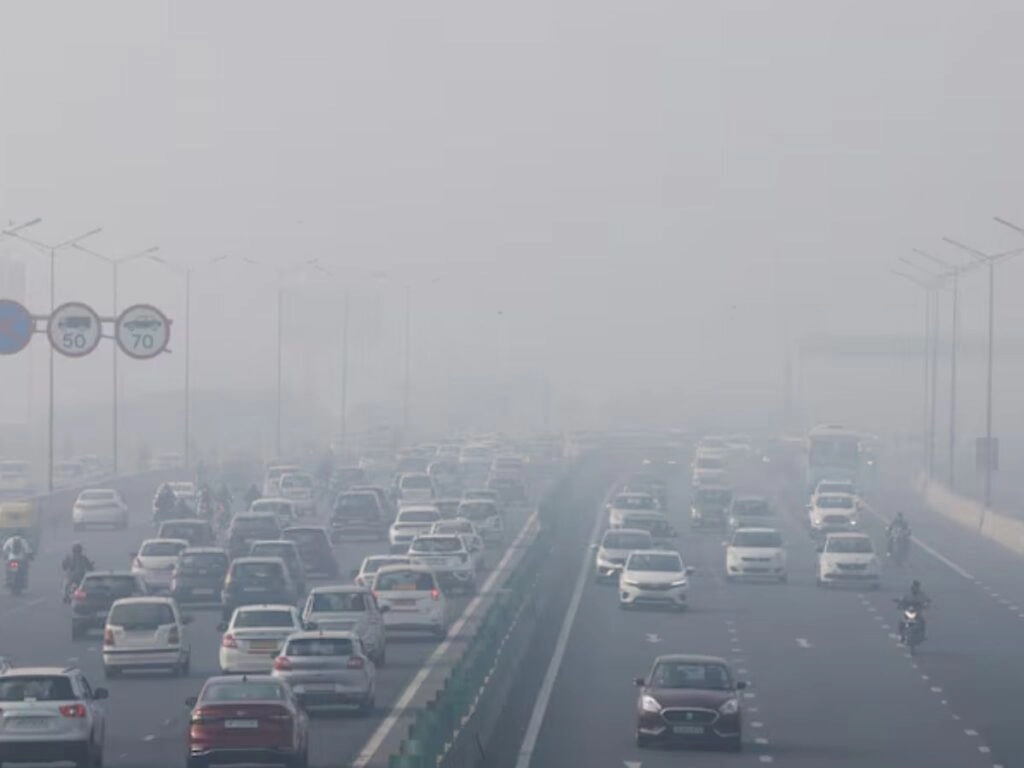
Delhi is once again grappling with a severe air pollution crisis, marking the worst spell of air quality the city has experienced in the past five years. For three consecutive days, Delhi’s Air Quality Index (AQI) has reached alarming levels, raising serious concerns among residents and health experts alike. The deterioration in air quality can be attributed to a combination of factors, including vehicular emissions, industrial discharges, and the seasonal burning of agricultural waste in surrounding regions. These elements have culminated in a hazardous environment, making breathing difficult and posing significant health risks, particularly for vulnerable populations such as children and the elderly.
The current situation has prompted local authorities to take urgent action, although the effectiveness of these measures remains to be seen. Residents are advised to minimize outdoor activities, particularly during peak pollution hours, and to wear masks when venturing outside. Health officials have warned that prolonged exposure to such poor air quality can lead to serious respiratory issues and other health complications. Schools have also been urged to implement measures to protect students, including the possibility of shifting to online classes until air quality improves.
As Delhi continues to face this environmental challenge, it is clear that long-term solutions are needed to address the root causes of air pollution in the city. Experts emphasize the importance of sustainable practices, such as reducing reliance on fossil fuels, promoting public transportation, and implementing stricter regulations on industrial emissions. Public awareness campaigns can also play a crucial role in educating citizens about the impact of individual actions on air quality. Ultimately, a collaborative approach involving government, industry, and the community will be essential in combating the persistent issue of air pollution and ensuring a healthier future for Delhi’s residents.