
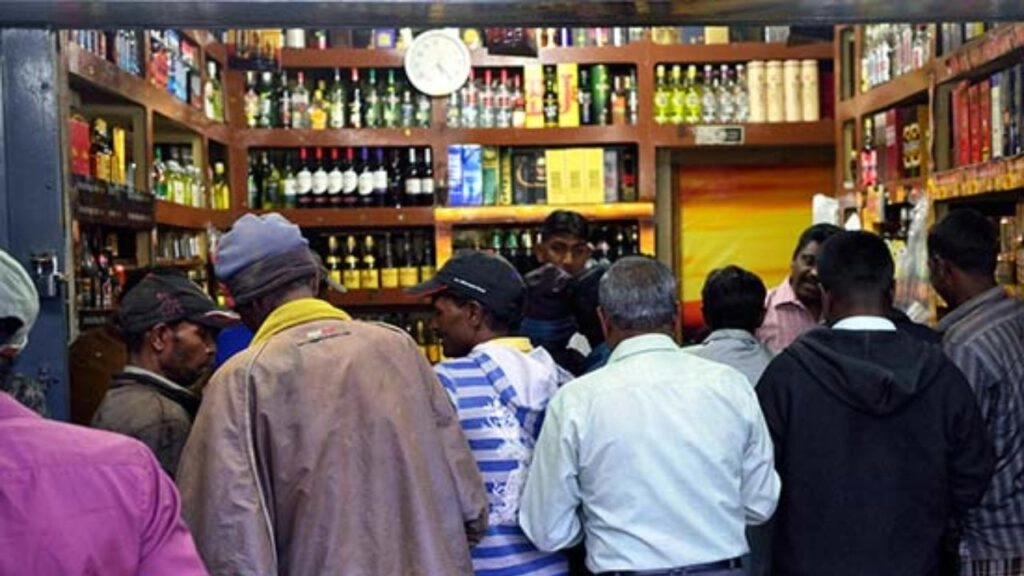
In a significant decision, the Supreme Court has lifted the ban on the sale of liquor within a 500-meter radius of highways, a ruling that has sparked considerable discussion and debate. This decision comes in the wake of earlier regulations aimed at reducing road accidents and promoting public safety by limiting the availability of alcohol near major thoroughfares. The initial ban had been implemented to address concerns related to drinking and driving, as well as to create a safer environment for motorists and pedestrians alike.
The Supreme Court’s ruling has been met with mixed reactions from various stakeholders. Proponents of the decision argue that the ban disproportionately affected local businesses, particularly small vendors and establishments that rely on alcohol sales for their livelihoods. They assert that the restriction was overly broad and failed to consider the economic implications for communities near highways. Furthermore, supporters believe that responsible drinking can coexist with highway access and that individuals should have the right to make their own choices regarding alcohol consumption.
On the other hand, critics of the ruling express concerns over public safety. They worry that lifting the ban could lead to an increase in alcohol-related incidents, including road accidents and fatalities. Many advocates for road safety argue that the original intent of the ban was to protect lives and promote responsible behavior among drivers. The decision raises important questions about how to balance economic interests with the need for public safety, and it will likely continue to be a topic of heated debate in the coming months.
As the implications of this ruling unfold, it remains to be seen how it will affect both local economies and road safety statistics. Stakeholders across the spectrum are now calling for a thorough examination of the potential consequences of this decision, and discussions about the need for alternative measures to ensure safe driving practices are expected to gain traction. The Supreme Court’s ruling has undeniably opened the door for further dialogue on the complexities of alcohol regulation and its impact on society.


