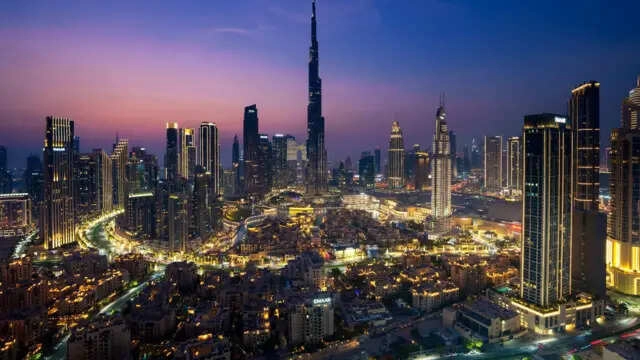
Did you know why Dubai remained a part of India but never officially became part of it? The history behind this intriguing fact is quite fascinating and often overlooked.
In the early 19th century, the British established their influence in the Gulf region, including present-day Dubai, which was then a small fishing village. The strategic location of Dubai along the trade routes made it an important hub for merchants and traders. During this period, the British signed various treaties with local rulers, ensuring their dominance in the area. The rulers of Dubai, particularly the Al Maktoum family, played a crucial role in maintaining their autonomy while aligning with British interests.
As India moved towards independence in the mid-20th century, the status of various territories in the region became a topic of discussion. The British had already established a protectorate over the Trucial States, which included Dubai. This arrangement allowed Dubai to maintain a degree of independence while also benefiting from British protection. Consequently, when India gained independence in 1947, Dubai was not included in the new nation, as it had developed its own identity and governance structure, separate from India.
Over the years, Dubai transformed from a small port town into a global metropolis, known for its skyscrapers, luxury shopping, and vibrant culture. Its unique blend of tradition and modernity has attracted people from all over the world. While it may have historical ties to India, Dubai has carved out its own distinct path, embracing a cosmopolitan lifestyle that reflects its diverse population. This historical context helps explain why Dubai, despite its geographical proximity to India, never officially became part of the country.