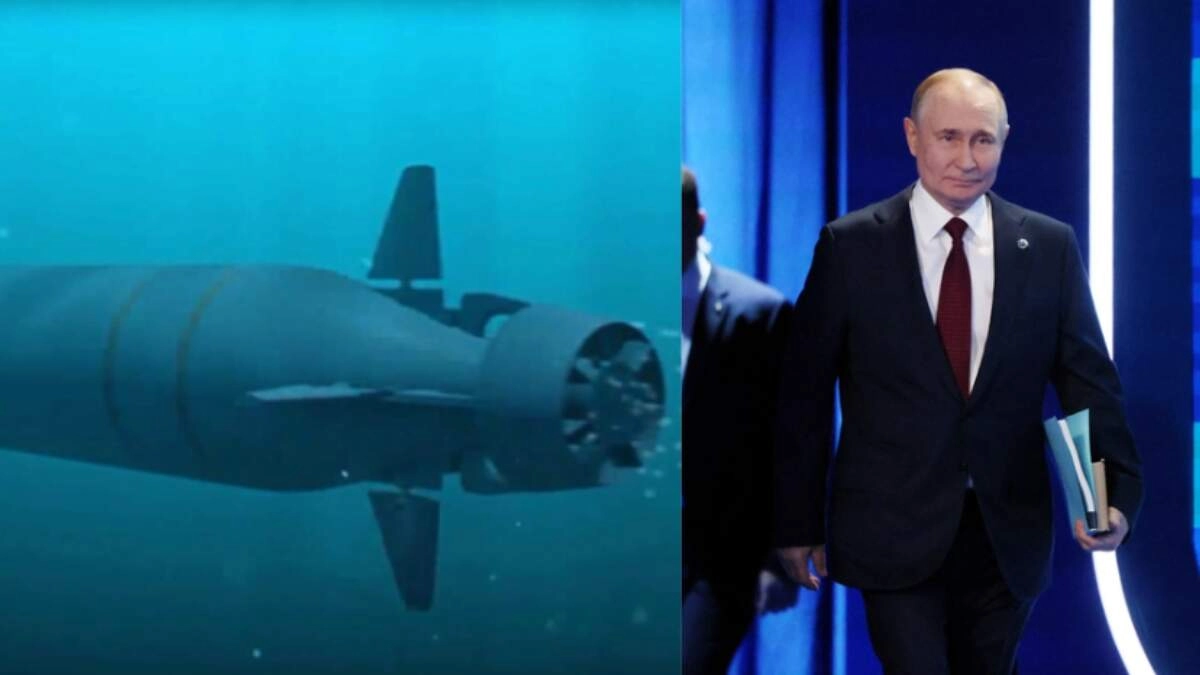
The weapon in question has the potential to transform the landscape of naval warfare dramatically. With advancements in military technology, the introduction of such a formidable asset could shift the balance of power on the seas. Understanding the capabilities and implications of this weapon, often referred to as “Putin’s monster,” is crucial for grasping the future of maritime conflicts.
This weapon is designed to unleash unprecedented destruction, capable of targeting naval fleets and coastal installations with precision and lethality. Its advanced features may include long-range strike capabilities, stealth technology, and the ability to evade traditional missile defense systems. The sheer power of this weapon raises concerns among nations about its strategic use and the potential for escalating tensions in already volatile regions.
The impact of such a weapon on global security dynamics cannot be understated. As countries assess their naval strategies in light of this development, there is a growing fear of an arms race at sea, where nations may feel compelled to enhance their own military capabilities to counteract this new threat. The implications extend beyond military engagements; they touch upon international diplomacy, alliances, and the stability of maritime trade routes essential for the global economy.
In conclusion, as this weapon emerges on the global stage, it is imperative for analysts, policymakers, and military leaders to thoroughly evaluate its potential consequences. The ability to reshape naval warfare could lead to significant geopolitical shifts, making it essential to navigate these changes carefully to prevent conflict and maintain balance in international waters.