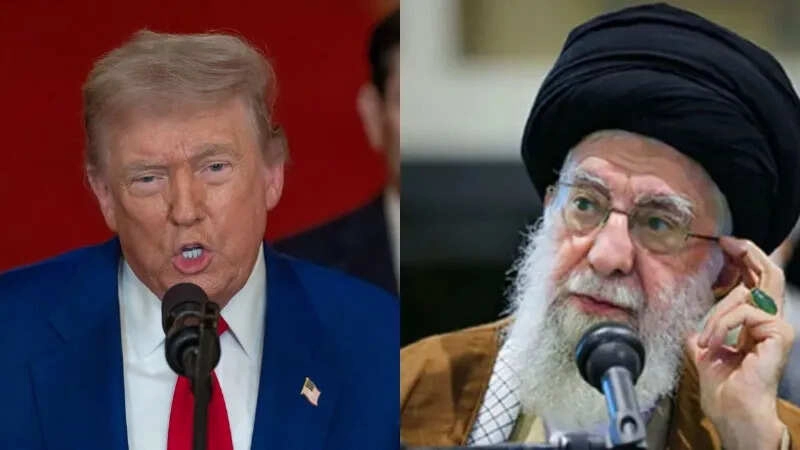
The Trump administration has taken significant steps against Iran, implementing a series of stringent sanctions aimed at curtailing the country’s influence and activities in the region. These measures were part of a broader strategy to address what the administration termed as Iran’s destabilizing behavior, particularly concerning its nuclear program and support for militant groups. The sanctions targeted various sectors, including oil exports, which are crucial for Iran’s economy, and aimed to reduce the revenue that the Iranian government could use to fund its activities abroad.
One of the key elements of Trump’s approach was the withdrawal from the Joint Comprehensive Plan of Action (JCPOA) in 2018, which had been established to limit Iran’s nuclear capabilities in exchange for the lifting of certain economic sanctions. The re-imposition of sanctions was seen as a means to pressure Iran into negotiating a new deal that would address not only its nuclear ambitions but also its regional activities, which the U.S. and its allies viewed as threats to stability. The administration’s actions were met with mixed reactions internationally, with some allies expressing concern over the potential for escalating tensions in the Middle East.
In addition to economic sanctions, the Trump administration also took a hardline stance on Iran’s military capabilities and its support for groups like Hezbollah and various militias in Iraq and Syria. This multifaceted approach aimed not only to weaken Iran’s military reach but also to reassure U.S. allies in the region, notably Israel and Saudi Arabia, who felt threatened by Iran’s growing power. The consequences of these policies have been profound, affecting diplomatic relations and leading to increased hostilities in the region.
As the Trump administration implemented these measures, the complexities of U.S.-Iran relations continued to evolve, with each action prompting reactions from both sides. The situation highlighted the challenges of balancing national security interests with diplomatic efforts and the impact of unilateral sanctions on global trade and politics. The repercussions of these policies will likely be felt for years to come, shaping the future of U.S. engagement in the Middle East and the broader geopolitical landscape.