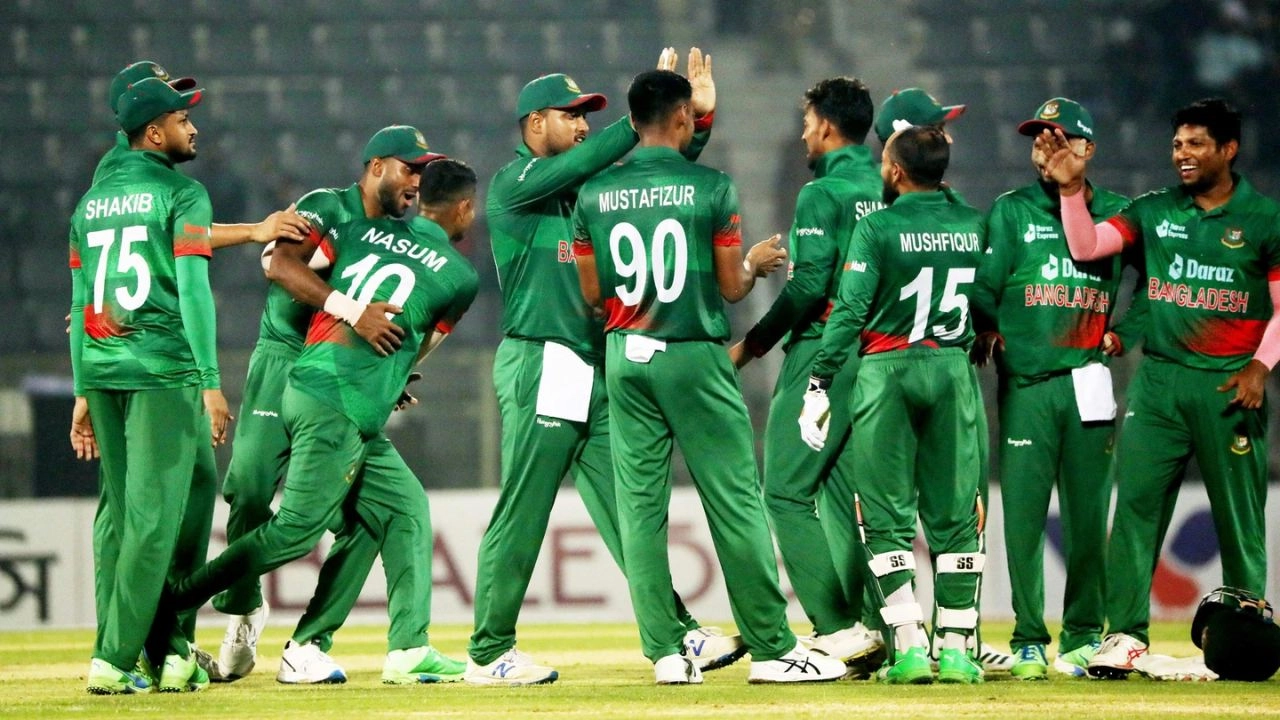
The situation within Bangladesh cricket has reached a critical juncture, as tensions escalate among players against the backdrop of the ongoing T20 World Cup, particularly regarding their rivalry with India. This turmoil seems to stem from a combination of high expectations and disappointing performances, leading to a sense of unrest among the players. As the team faces mounting pressure to deliver results, the discontent has manifested in a revolt against management and coaching decisions, revealing deep-seated frustrations within the squad.
The backdrop of this crisis is the intense competition that characterizes the T20 World Cup, where every match is scrutinized heavily by fans and analysts alike. The Bangladesh cricket team, traditionally seen as underdogs, has struggled to find its footing in this high-stakes environment. The players, feeling the weight of national pride and the expectations of their supporters, are increasingly vocal about their grievances, which include concerns over training methods, team selection, and overall strategy. This growing dissent not only threatens team cohesion but also casts a shadow over the future of cricket in the country.
Compounding the situation is the historical rivalry with India, which adds an additional layer of pressure. Matches against India are more than just games; they are seen as defining moments for Bangladeshi cricket. The failure to compete effectively against such a formidable opponent has led to frustrations boiling over, with players questioning their roles and the direction of the team. If this unrest is not addressed, it could lead to a significant decline in Bangladesh’s cricketing prospects, hindering the development of talent and the potential for future success on the international stage.
In order to navigate through this crisis, it is essential for the Bangladesh Cricket Board and team management to engage in open dialogue with the players. Addressing their concerns and fostering a sense of unity and purpose can help restore morale and focus as they compete in the tournament. Without such measures, the risk of further discontent looms large, and the prospects for Bangladesh cricket could diminish, leading to a slow decline in what has been a promising cricketing journey. The need for effective leadership and a clear vision has never been more critical for the future of cricket in Bangladesh.