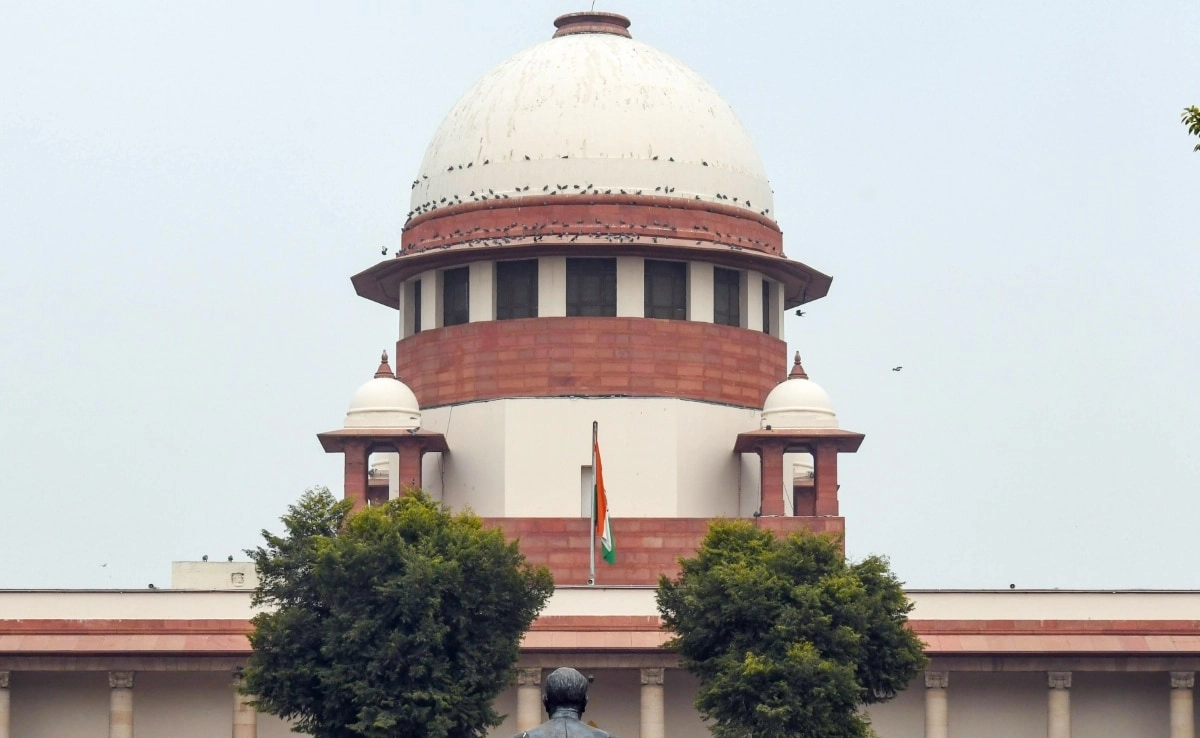
The Supreme Court recently declined to intervene in the film certification matter related to the movie “Jana Nayagan.” This decision comes amid ongoing debates about the creative expression in cinema and the role of regulatory bodies in determining the suitability of film content for public viewing. The case had garnered significant attention, as it involved arguments concerning artistic freedom and the responsibilities of film certification agencies.
In the realm of filmmaking, certification plays a crucial role in ensuring that movies align with societal norms and values while also protecting the interests of various audiences. However, the balance between censorship and artistic liberty remains a contentious issue. Proponents of the film argue that the Supreme Court’s refusal to interfere underscores a commitment to upholding creative freedom, allowing filmmakers to explore diverse narratives without undue restriction from regulatory institutions.
The decision has sparked discussions about the broader implications for the film industry in India. Supporters of the ruling believe that it sets a positive precedent for future filmmakers, encouraging them to tackle complex themes without fear of censorship. On the other hand, critics express concern that the lack of oversight could lead to the release of content that might not be appropriate for all viewers. Ultimately, this case highlights the ongoing struggle between artistic expression and the regulatory frameworks that govern it, reflecting the evolving landscape of cinema in contemporary society.