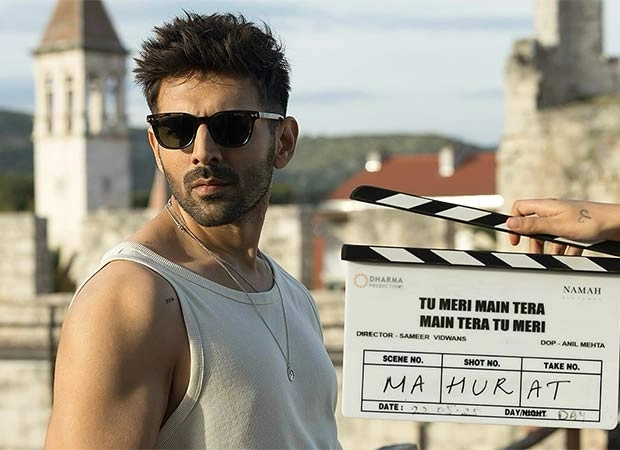
Kartik Aaryan, a prominent figure in the Indian film industry, has made headlines recently for his decision to forgo a substantial portion of his fees for the film “Tu Meri Main Tera.” After its disappointing performance at the box office, Aaryan chose to relinquish Rs. 15 crores, a move that has garnered both admiration and scrutiny from fans and industry insiders alike. This decision underscores the complexities of the film business, where the success of a project can hinge on various factors, including marketing, audience reception, and competition from other releases.
The film, which generated considerable buzz prior to its release, ultimately failed to resonate with audiences, leading to significantly lower than expected ticket sales. Aaryan’s choice to waive his fees reflects not only a deep sense of responsibility towards the project but also an understanding of the financial ramifications associated with a film’s failure. It is not uncommon for actors to take such steps, especially in an industry where reputations can be heavily influenced by a single project’s outcome. By doing so, Aaryan aims to demonstrate his commitment to the film and its stakeholders, including the producers and crew who invested their time and resources into the project.
This gesture of goodwill may also serve as a strategic move for Aaryan’s career. By showing willingness to support his film’s producers during tough times, he may solidify his reputation as a team player in the industry, which could pay dividends in future collaborations. Moreover, it highlights the pressures that actors face in an ever-evolving cinematic landscape, where box office performance can dictate the course of careers. As viewers continue to discuss the implications of his decision, Aaryan remains a topic of interest, showcasing not just his talent but also his character in the face of adversity. His actions may inspire a culture of accountability and shared responsibility among filmmakers, ultimately benefiting the industry as a whole.