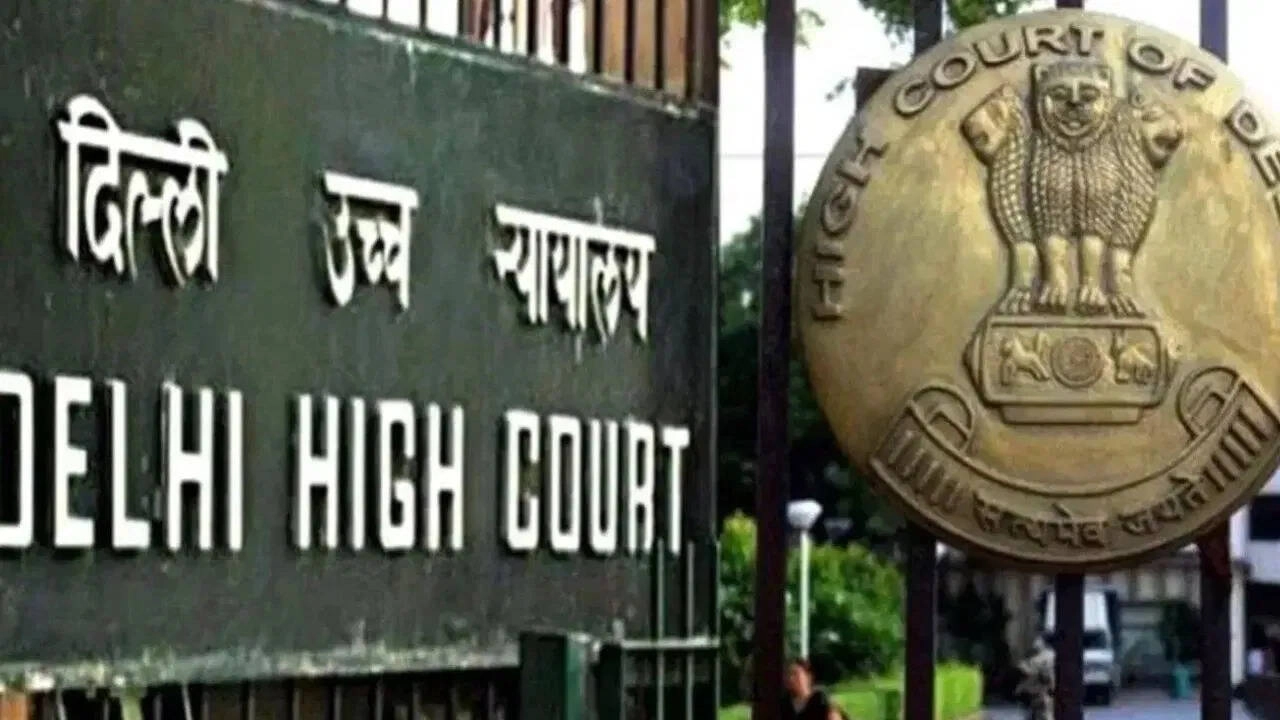
The Delhi High Court recently addressed the issue of whether the PM CARES Fund falls outside the purview of the Right to Information (RTI) Act. The court emphasized that being classified as a public authority does not inherently mean that the privacy of the fund’s operations or its financial dealings is compromised. This ruling is significant as it underscores the balance between the public’s right to access information and the need to maintain certain levels of confidentiality within government funds.
The PM CARES Fund was established in response to the COVID-19 pandemic to provide relief and support to those affected by the crisis. However, since its inception, there have been ongoing debates about its transparency and accountability. Critics argue that the fund should be subject to the RTI Act to ensure that there is proper oversight regarding how the money is utilized. On the other hand, proponents of the fund’s operational privacy contend that certain aspects of its workings should remain confidential to protect sensitive information.
The Delhi High Court’s ruling is a pivotal moment in this ongoing discourse. It clarifies the legal status of the PM CARES Fund in relation to the RTI Act, indicating that while it operates as a public authority, there are still boundaries that protect its operational privacy. This decision may influence future discussions surrounding transparency in government funds and could set a precedent for how similar funds are treated under the law. As the public continues to demand greater accountability from government initiatives, the court’s interpretation will be closely watched and debated. The balance between transparency and privacy will remain a crucial topic in the context of public governance.