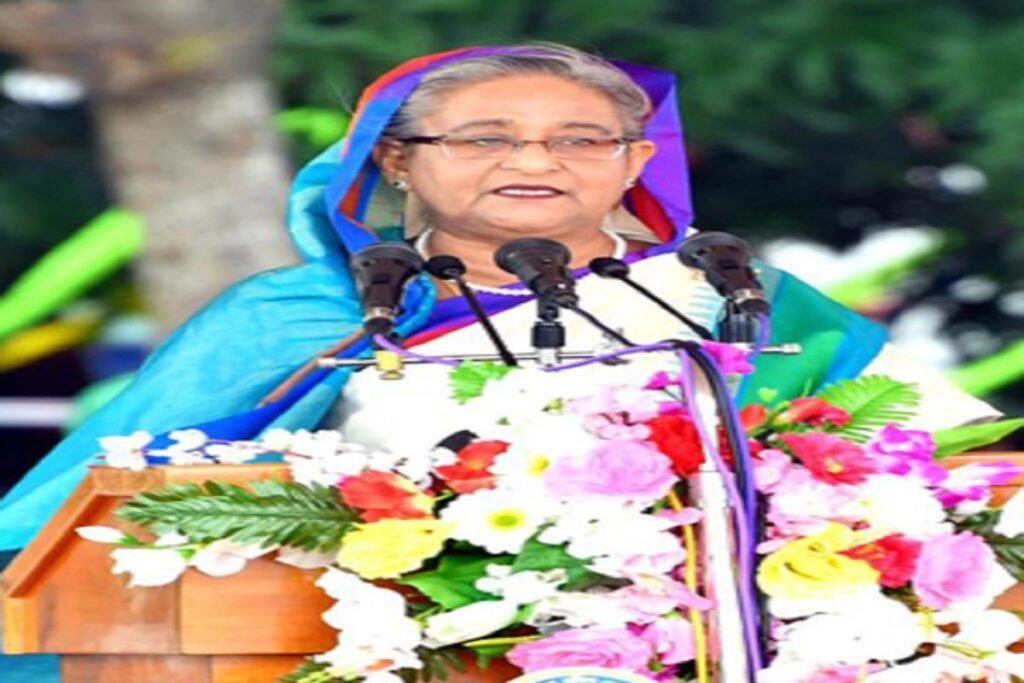
A significant legal development has unfolded in Bangladesh with the release of a 457-page verdict concerning former Prime Minister Sheikh Hasina’s death sentence. This ruling comes after a lengthy judicial process that has captured the attention of both national and international observers. The verdict outlines the court’s reasoning and the legal grounds upon which the decision has been made, reflecting the complexities of the legal system in Bangladesh. Sheikh Hasina, a prominent political figure and the leader of the Awami League, has been at the center of a controversial political landscape, which has seen her party embroiled in various legal and political battles over the years.
The document details the charges against Sheikh Hasina, which include serious allegations that have significant implications for her political career and the future of her party. The verdict is not only a critical milestone in the judicial proceedings but also serves as a reflection of the political tensions that have characterized Bangladesh in recent years. The implications of this ruling extend beyond the courtroom, potentially influencing public opinion and the political dynamics within the country. As the situation unfolds, the response from Sheikh Hasina’s supporters and the opposition will be closely monitored, as it may shape the political landscape leading up to future elections.
Furthermore, this verdict raises questions about the integrity of the judicial process in Bangladesh and the role of political influence within the legal system. Observers are concerned about the potential for the judiciary to be used as a tool for political gain rather than as an impartial arbiter of justice. The international community is also paying close attention to the developments, as they may impact foreign relations and investment in Bangladesh. The outcome of this case could set a precedent for how political leaders are treated in the judicial system, opening up discussions about accountability, governance, and the rule of law in the country.
As the legal battle continues, it is likely that appeals will be filed, and the case will remain a focal point of political discourse in Bangladesh. The 457-page verdict will serve as a foundational document for these proceedings, offering insights into the legal framework and judicial reasoning behind the ruling. In a country where political rivalries often lead to legal confrontations, this case exemplifies the intersection of law and politics, highlighting the challenges faced by leaders and the judiciary in navigating these complex relationships. Ultimately, the outcome of Sheikh Hasina’s case will have lasting implications for the political and legal landscape in Bangladesh.