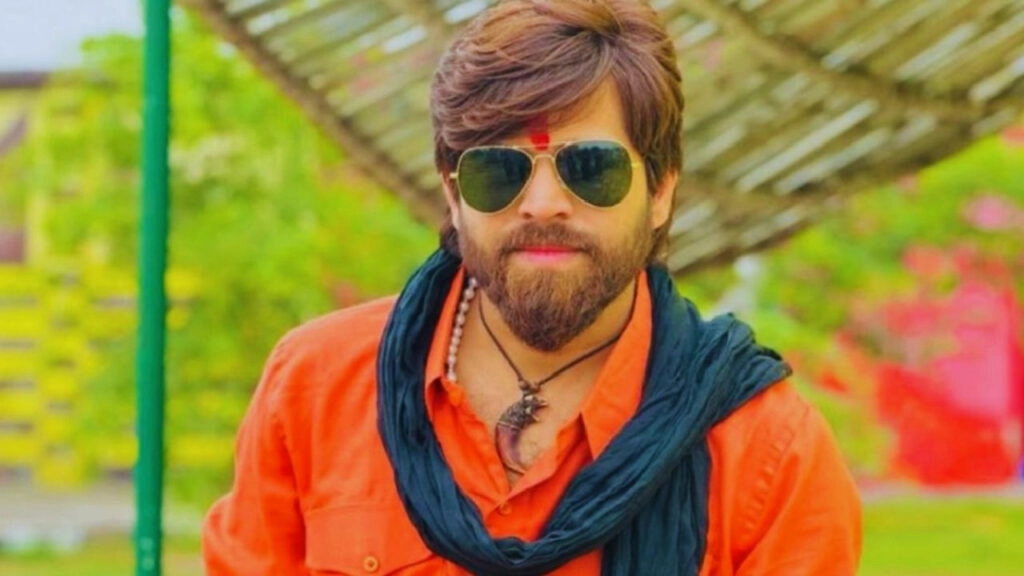
Haryanvi singer Masoom Sharma recently expressed his frustration over the decision to ban 19 of his songs. The controversy surrounding the ban has generated considerable attention, raising questions about the effectiveness and implications of such measures. Many are wondering whether banning songs that feature themes of violence or crime will truly contribute to a reduction in criminal activity. Sharma, in his remarks, highlighted the irony of the situation, suggesting that simply prohibiting music does not address the underlying issues that lead to crime.
In his statement, Sharma questioned the rationale behind the ban, arguing that music is a form of artistic expression and should not be censored in such a manner. He believes that rather than imposing restrictions, it would be more beneficial to engage in discussions about the societal problems that fuel criminal behavior. By targeting the root causes, such as poverty, lack of education, and inadequate opportunities, communities might find more effective solutions to combat crime.
The ban on his songs has sparked a broader conversation about the role of art in society. Critics of the ban argue that it sets a dangerous precedent, as it may lead to further censorship of creative works. They contend that music often reflects the realities of life, including hardships and struggles, and that silencing artists only pushes these issues underground rather than fostering understanding and dialogue. Sharma’s anger is not just about his own work being banned; it encapsulates a larger concern about freedom of expression and the importance of addressing societal issues head-on rather than resorting to censorship.