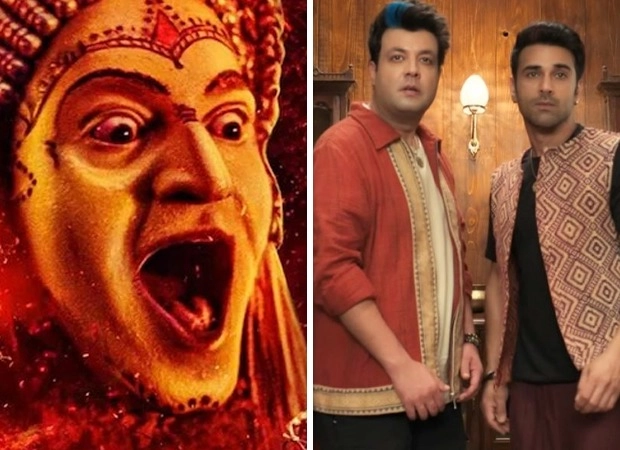
In a recent development that has captured the attention of film enthusiasts, the Central Board of Film Certification (CBFC) has made significant alterations to the much-anticipated Indian film “Rahu Ketu.” Notably, one of the most controversial changes involves the removal of what has been dubbed the “Kantara scream,” a sound that has gained notoriety for its emotional intensity and cultural significance. This alteration raises questions about the board’s approach to content that may resonate deeply with audiences.
Additionally, the CBFC has opted to replace a provocative gesture in the film, changing a scene that originally featured the middle finger to one that now displays the pinky finger instead. This decision reflects the board’s ongoing efforts to maintain a certain level of decorum in cinematic expression, even as filmmakers strive to push boundaries and explore more complex themes. The pinky finger gesture, while less confrontational, may alter the intended impact of the scene, thus sparking debates about artistic freedom versus regulatory oversight.
These changes come as part of a broader trend where film regulators are increasingly scrutinizing content for its potential impact on audiences. Such actions can be seen as an attempt to balance cultural sensitivities with creative expression. As filmmakers navigate the landscape of censorship, the implications of these alterations can influence not only the reception of a film but also the broader discourse surrounding artistic integrity in Indian cinema. The adjustments made to “Rahu Ketu” serve as a reminder of the delicate interplay between artistic vision and regulatory frameworks in the film industry.
As the film prepares for its release, audiences are left to ponder the effectiveness of these changes and how they may reinterpret the narrative. With the growing conversation around censorship in the arts, “Rahu Ketu” stands at a crossroads, highlighting the challenges faced by filmmakers in a society that is continuously evolving in terms of cultural norms and acceptability. The film’s journey through the certification process is emblematic of the larger tensions that exist within the realm of creative expression in India today.