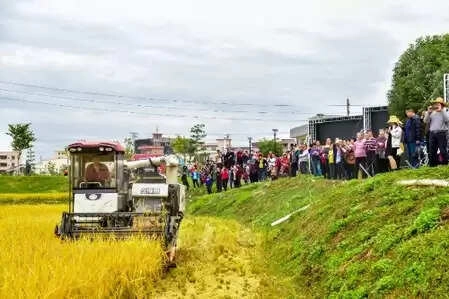
China is set to focus on transforming solid agricultural waste into valuable resources. This initiative is part of the country’s broader efforts to promote sustainable agricultural practices and enhance resource efficiency. Agricultural waste, which includes remnants of crops, straw, and other organic materials, has often been seen as a burden for farmers and an environmental challenge. However, with the right technologies and strategies, these materials can be converted into useful products, such as biofuels, organic fertilizers, and animal feed.
The Chinese government recognizes the potential of agricultural waste to contribute to a circular economy. By implementing innovative methods for waste management, the country aims to reduce pollution, improve soil health, and support rural development. This approach not only addresses the issue of waste disposal but also provides farmers with additional income streams through the sale of processed materials.
Moreover, investments in research and development will be crucial to enhance the efficiency of waste-to-resource conversion processes. Collaboration between government agencies, academic institutions, and private enterprises will play a key role in driving advancements in this field. As China continues to face challenges related to food security and environmental sustainability, the emphasis on converting agricultural waste into valuable resources could lead to significant improvements in both sectors. Through these efforts, China aims to create a more sustainable agricultural landscape that benefits both the economy and the environment.