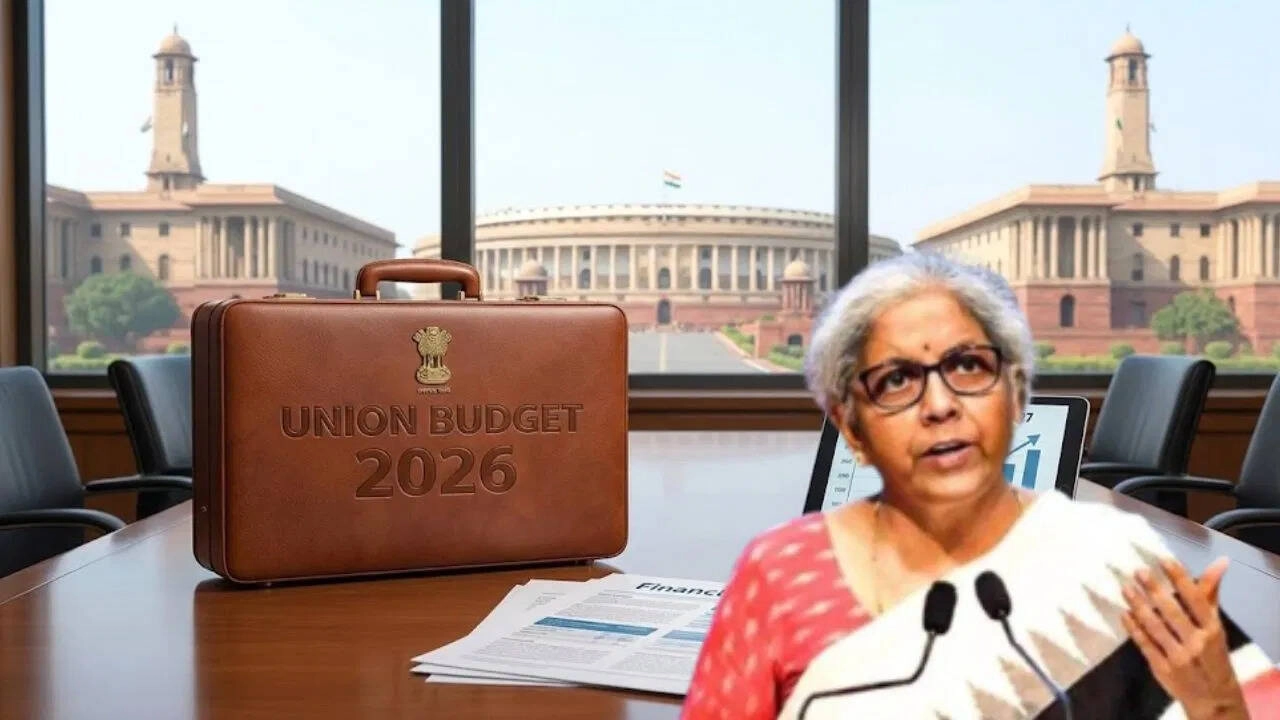
Experts have raised concerns that the budget for 2026 could have significant implications for the wealthier segments of society. This warning highlights the potential for increased financial burdens on affluent individuals and businesses as the government seeks to address various economic challenges. The budget is expected to introduce new policies and measures aimed at enhancing revenue generation, which may disproportionately affect those with higher incomes.
One of the primary reasons for this shift is the need for the government to fund vital public services, infrastructure projects, and social welfare programs. As the gap between the rich and the poor continues to widen, there is growing pressure on policymakers to implement a more equitable taxation system. This could involve higher tax rates for the wealthy, closing loopholes, or introducing new taxes on luxury goods and high-value assets. Such measures could lead to a significant financial impact on the affluent, altering their spending habits and investment strategies.
Moreover, the economic landscape is also influenced by global trends, inflation, and the ongoing recovery from recent crises. The budget aims to strengthen the economy, but the strategies employed may spark debates about fairness and equity. Wealthy individuals may find themselves advocating for adjustments to the proposed policies, arguing that they could stifle economic growth and innovation. However, proponents of the budget argue that these changes are necessary for creating a more balanced society where everyone contributes their fair share.
In conclusion, the 2026 budget is poised to challenge the financial status quo for the rich, as experts predict significant changes that could reshape the economic landscape. The focus on equitable taxation and increased revenue generation may lead to a reassessment of wealth distribution and the role of the affluent in society. As discussions around the budget unfold, it will be crucial for all stakeholders to engage in constructive dialogue to ensure that the economic policies foster growth while addressing the pressing issues of inequality.