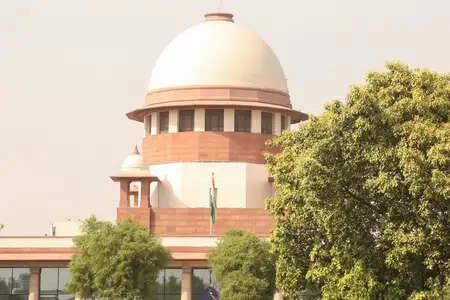
In a recent development concerning the interpretation of Section 17A of the Anti-Corruption Act, a significant divide has emerged within the judiciary. One Supreme Court judge has declared this particular section unconstitutional, raising questions about its validity and implications for anti-corruption efforts in the country. This ruling suggests that the provisions within Section 17A may infringe upon fundamental rights or contradict the principles of justice, thereby warranting a re-examination of the law’s framework.
Contrarily, another judge has granted conditional approval to Section 17A, indicating a more cautious approach to its application. This conditional endorsement suggests that while the judge recognizes the potential for misuse or overreach within the provisions, they also acknowledge the necessity of having some regulatory mechanisms in place to combat corruption effectively. The differing opinions reveal a complex legal landscape where the interpretation of laws can vary significantly among judicial authorities, leading to potential inconsistencies in their enforcement.
The ongoing debate around Section 17A underscores the broader issues of legal interpretation and the challenges faced in the fight against corruption. As various stakeholders, including lawmakers and legal experts, engage in discussions about the implications of these rulings, the future of anti-corruption legislation remains uncertain. The Supreme Court’s involvement in this matter highlights the judiciary’s pivotal role in shaping the legal environment surrounding corruption and accountability, ultimately influencing how such laws are applied in practice.
As these discussions unfold, it is crucial for the legal community and the public to closely monitor the implications of these judicial decisions, as they could set important precedents for future cases related to corruption and governance. The balance between enforcing anti-corruption measures and protecting individual rights is delicate, and the Supreme Court’s rulings will likely play a critical role in navigating this intricate landscape.