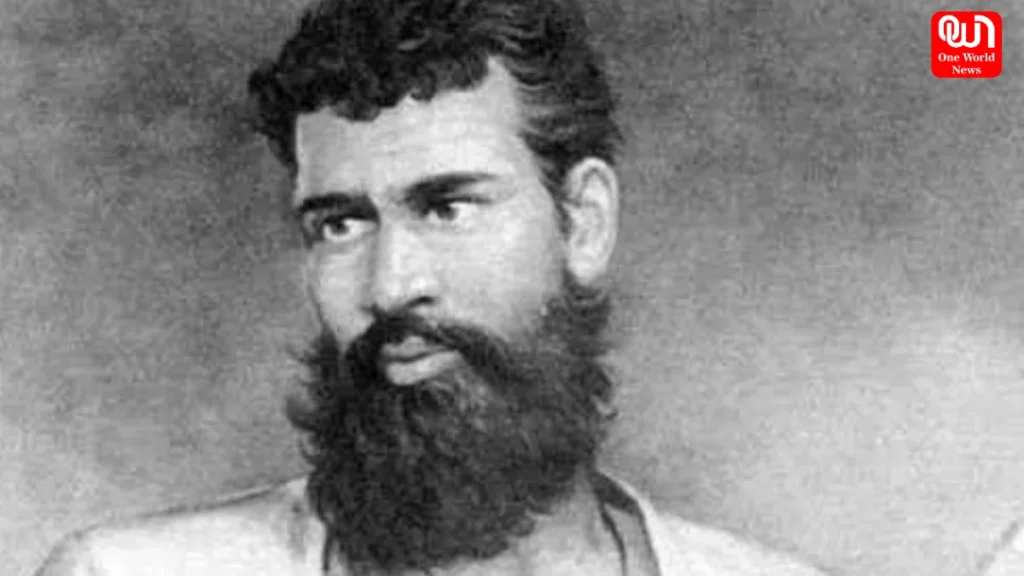
Vasudev Balwant Phadke was a prominent figure in India’s early revolutionary movement, known for his passionate commitment to the cause of independence from British rule. Born in 1845 in a small village in Maharashtra, Phadke was deeply influenced by the socio-political environment of his time. He was not just an ordinary freedom fighter; he was a visionary who understood the importance of armed struggle in the fight against colonial oppression. His early education instilled in him a sense of pride in Indian culture and heritage, which later fueled his desire to see India free from foreign domination.
Phadke’s revolutionary activities began in the 1870s, when he became increasingly disillusioned with the British government’s policies that marginalized Indians. He was inspired by the plight of peasants and the injustices they faced under colonial rule. This empathy for the underprivileged motivated him to take action. He gathered a following and organized a series of uprisings aimed at dismantling British authority. His most notable rebellion occurred in 1879, when he led a campaign against the British in the Pune region, which included armed confrontations and raids on government treasuries. His audacity and strategic planning made him one of the most feared revolutionaries of his time.
Despite his initial successes, Phadke’s movement was eventually suppressed by the British authorities. He was arrested in 1880 and sentenced to transportation for life to the Andaman Islands, a punishment that reflected the colonial government’s determination to crush any form of dissent. However, even in exile, Phadke’s ideals continued to inspire others. His writings and speeches emphasized the need for unity among Indians and the importance of self-reliance in the struggle for freedom. He believed that true liberation could only be achieved through collective effort and armed resistance against tyranny.
Phadke’s legacy is often overshadowed by later figures in the Indian independence movement, but his contributions laid the groundwork for future revolutionary activities. He was among the first to advocate for a direct confrontation with colonial powers, setting a precedent for subsequent leaders. His life story serves as a reminder of the sacrifices made by countless individuals in the fight for India’s freedom. Today, Phadke is remembered not only as a revolutionary but also as a symbol of resilience and courage in the face of oppression. His unwavering spirit continues to inspire generations of Indians striving for justice and equality.