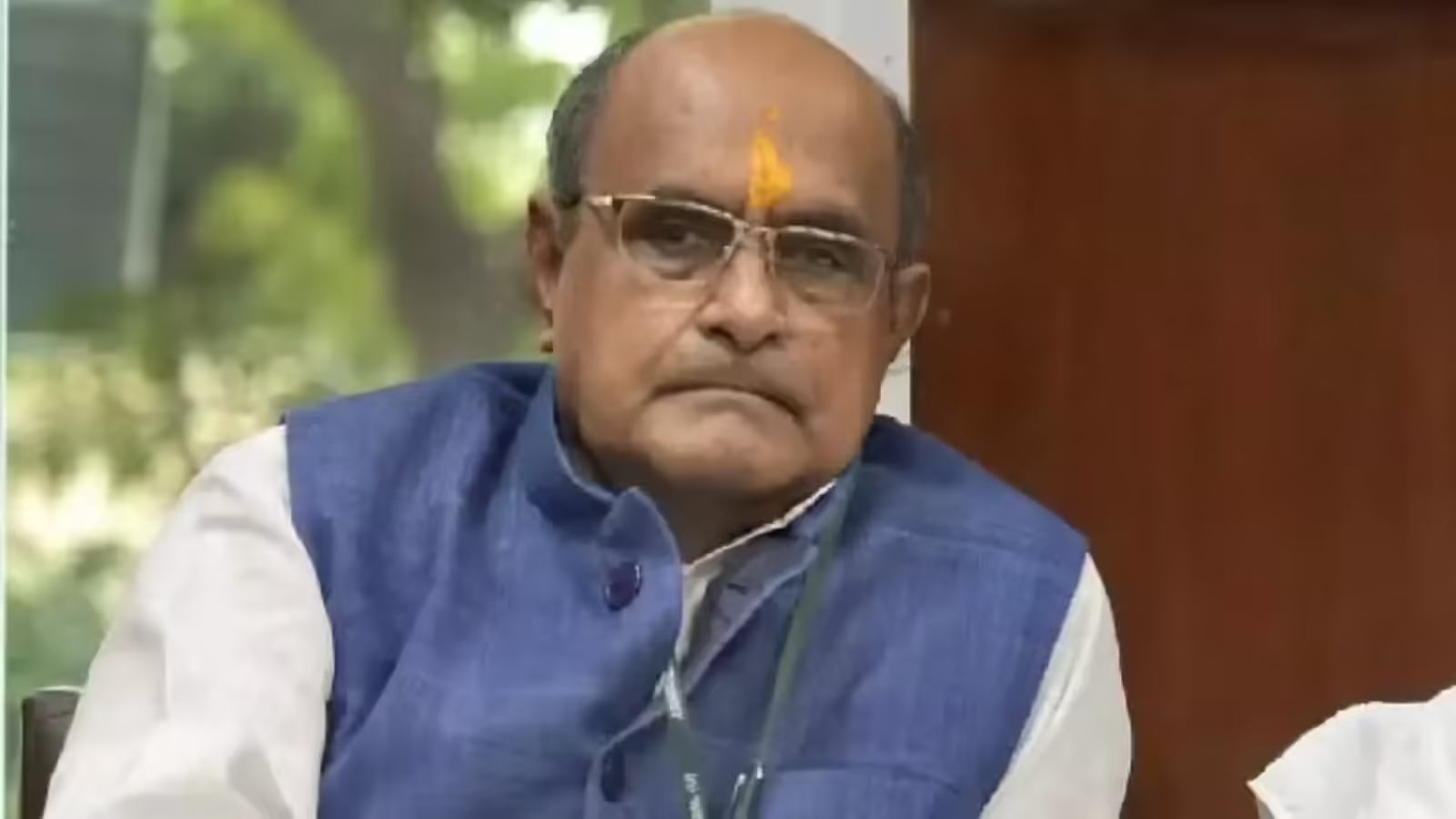
KC Tyagi, a prominent leader in the Janata Dal (United) or JD(U), has recently been expelled from the party, marking a significant shift in the political landscape of Bihar. This development comes amid growing tensions within the party and highlights the ongoing struggles for power and influence within regional political dynamics. Tyagi’s departure is particularly notable given his long-standing association with the JD(U) and the pivotal role he played in its strategies and campaigns over the years.
The reasons behind Tyagi’s expulsion seem to stem from a combination of internal disagreements and a divergence in ideological perspectives. As political parties often face challenges related to leadership and direction, the JD(U) is no exception. Tyagi’s comments post-expulsion indicate a sense of disillusionment, as he stated, “We have no relationship with them now,” reflecting his feelings of betrayal and disappointment. This situation underscores the complexities of loyalty and trust in politics, where alliances can shift rapidly based on personal and collective interests.
The expulsion also raises questions about the future of the JD(U) and its leadership under Chief Minister Nitish Kumar. As the party navigates through this transition, it may have to reassess its strategies and alliances to maintain its position in the state’s political arena. Tyagi’s exit could potentially lead to a shake-up within the party, as other members may begin to reevaluate their own standing and loyalty. The implications of this event could resonate beyond JD(U), influencing the broader political scenario in Bihar and possibly affecting upcoming elections.
In the wake of Tyagi’s departure, political analysts will be closely monitoring the reactions from both supporters and opponents of the JD(U). The party’s ability to manage internal dissent and maintain unity in the face of such challenges will be crucial for its future success. As Bihar continues to evolve politically, the changes within the JD(U) will be a key factor in shaping the state’s governance and electoral outcomes in the years to come.