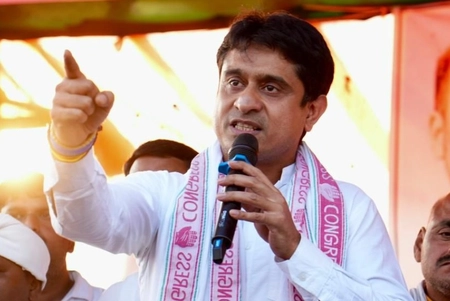
Naresh Meena’s statement about having to praise either Pilot Sahab or Gunjal Sahab for votes reflects the complex dynamics of political alliances and strategies in contemporary politics. In a competitive electoral landscape, political leaders often find themselves in positions where they must publicly support or commend their counterparts to consolidate power and secure votes. This necessity can stem from various factors, including the need to maintain party unity, appeal to diverse voter bases, or navigate the intricate web of local political relationships.
The mention of both Pilot Sahab and Gunjal Sahab indicates that these leaders hold significant influence within their respective constituencies or parties. By recognizing their contributions or strengths, Naresh Meena highlights the importance of collaboration and mutual respect among political figures, even if they belong to different factions. This practice of praising rivals or allies can be seen as a strategic move to foster goodwill and promote a sense of shared purpose, especially in the lead-up to elections.
Furthermore, Meena’s remarks underscore the evolving nature of political campaigns, where personal relationships and public endorsements play a crucial role in shaping voter perceptions. In an era where voters are increasingly discerning and informed, the ability of politicians to navigate these interpersonal dynamics can significantly impact their electoral success. Ultimately, Naresh Meena’s comments reflect a broader trend in politics, where collaboration, compromise, and strategic communication become essential tools in the pursuit of electoral victory.