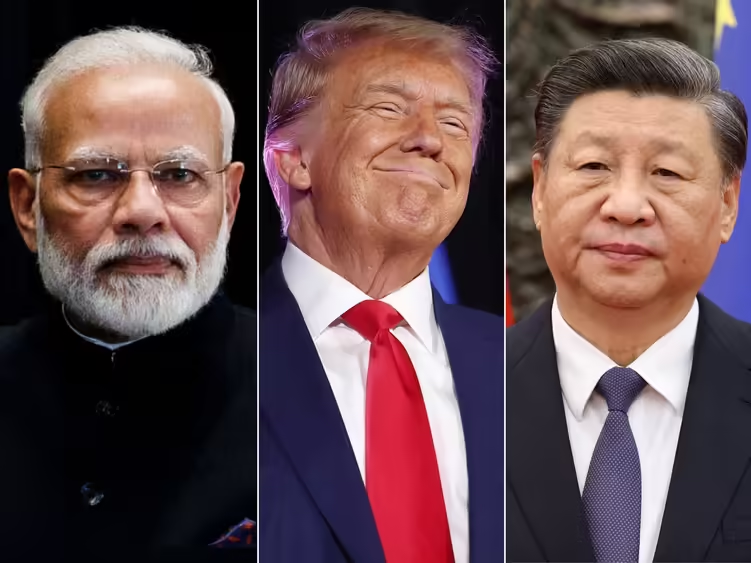
The recent developments surrounding the Trump administration’s tariff policies have sent shockwaves through global markets, particularly concerning trade relations with major economies like India and China. Reports indicate that tariffs could potentially rise as high as 500%, which would drastically alter the landscape of international trade. Such an increase would not only impact the import-export dynamics between the United States and these nations but could also trigger retaliatory measures, leading to a trade war that could have far-reaching consequences.
The proposed tariffs aim to address various trade imbalances and perceived unfair practices, particularly focusing on China, which has long been criticized for its trade policies and currency manipulation. India, while not facing the same level of scrutiny as China, may still feel the impact of these tariffs, especially in sectors where it has a competitive edge, such as textiles and information technology. The potential for such steep tariffs raises concerns about the future of U.S.-India relations, which have been improving over the years, particularly in terms of defense and strategic partnerships.
In addition to these trade tensions, the U.S. Congress has recently approved a bill imposing sanctions on Russia, further complicating the geopolitical landscape. These sanctions are aimed at addressing various issues, including cyberattacks and interference in U.S. elections, and they indicate a broader strategy of holding nations accountable for actions deemed hostile to American interests. The combination of aggressive tariff policies and stringent sanctions reflects a shift in U.S. foreign policy that prioritizes economic strength and national security.
As the situation unfolds, businesses and markets around the world are bracing for uncertainty. Companies that rely on global supply chains may need to reassess their strategies in light of increased tariffs, while consumers could face higher prices on imported goods. The ripple effects of these policies could lead to changes in consumer behavior, investment decisions, and even employment rates in various sectors. Observers are closely monitoring how these developments will shape not only U.S. relations with India and China but also the broader economic landscape in the coming months.