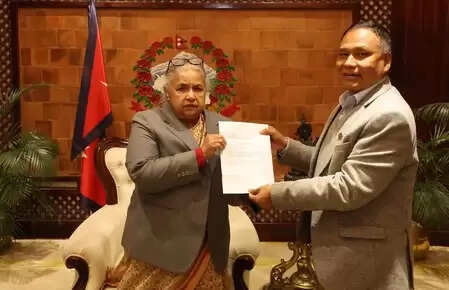
Nepal’s Minister Kulman Ghising has resigned after serving for 115 days in office. His decision to step down has raised eyebrows and sparked discussions about the current political landscape in the country. Ghising, who was appointed to his position with high expectations, faced numerous challenges during his brief tenure. His resignation reflects not only his personal circumstances but also the broader issues within the Nepali government and its ability to address pressing national concerns.
Ghising’s time in office was marked by various initiatives aimed at improving infrastructure and public services. However, he encountered significant obstacles, including bureaucratic hurdles and public dissatisfaction over the pace of development. His departure has been interpreted as a sign of the difficulties facing leaders in Nepal, where political instability and frequent changes in administration are common. Observers are now questioning what this means for the future of governance in the country, especially in the context of ongoing challenges such as economic development and public welfare.
The resignation has prompted reactions from both supporters and critics. While some view it as a necessary step for accountability, others are concerned about the implications for continuity in governance. The role of ministers in Nepal is often fraught with pressure, and Ghising’s experience illustrates the complexities of navigating the political environment. As the nation looks ahead, the focus will likely shift to who will succeed him and whether the new appointment can effectively tackle the issues that led to his resignation. This situation underscores the volatile nature of Nepali politics and the urgent need for stable leadership to drive the country forward.