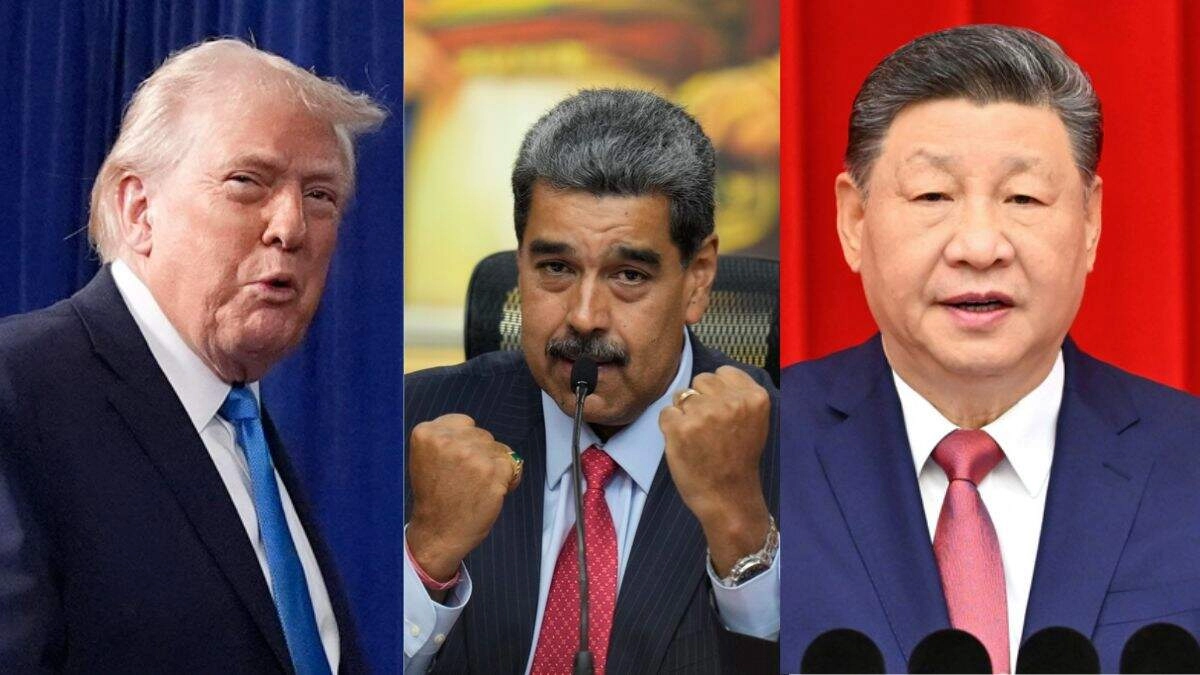
Following the recent military actions against Venezuela, former U.S. President Donald Trump issued a controversial directive urging the United States to sever ties with four countries, including Russia and China. This statement has sparked significant debate regarding its implications for international relations and U.S. foreign policy. Trump’s call to break off relations reflects a broader strategy that positions these nations as adversaries, suggesting that their alliances pose a threat to American interests and security.
The timing of Trump’s remarks is particularly noteworthy, as they coincide with heightened tensions in Latin America and ongoing geopolitical rivalries. By targeting Russia and China, Trump appears to be reinforcing a narrative that categorizes these nations as destabilizing forces in global politics. This approach could lead to increased isolationist policies, potentially straining diplomatic relationships that have been cultivated over decades. Critics of Trump’s directive argue that abandoning diplomatic engagement could exacerbate conflicts rather than resolve them.
Moreover, Trump’s statement raises questions about the future of multilateral diplomacy. The interconnected nature of global challenges, ranging from climate change to cybersecurity, necessitates cooperation among nations, including those that might be considered adversaries. By advocating for a complete severance of ties, Trump risks undermining potential avenues for dialogue and collaboration. The implications of such a stance could extend beyond immediate diplomatic relations, affecting trade, security alliances, and overall global stability.
In summary, Trump’s call to cut ties with Russia, China, and two other countries in the wake of the Venezuelan crisis marks a significant shift in rhetoric that emphasizes confrontation over cooperation. As the world grapples with complex geopolitical issues, the viability of this approach remains to be seen, and its potential consequences could reshape international relations for years to come.