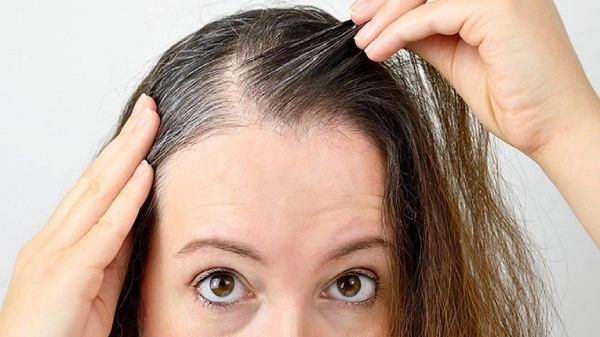
The appearance of gray hair is often associated with aging, but it can also be influenced by various factors, including nutritional deficiencies. A lack of essential nutrients in one’s diet can lead to premature graying. Key vitamins and minerals, such as B vitamins, vitamin D, and minerals like zinc and copper, play a crucial role in maintaining the natural color of hair. When the body lacks these nutrients, it can disrupt melanin production, the pigment responsible for hair color, resulting in gray strands.
To combat this issue, incorporating a balanced diet rich in these vital nutrients is essential. Foods that are particularly beneficial include leafy greens, nuts, seeds, dairy products, and lean proteins. For instance, foods high in B vitamins, such as whole grains, eggs, and legumes, can support healthy hair pigmentation. Additionally, ensuring adequate intake of vitamin D through sunlight exposure and dietary sources like fatty fish can further contribute to hair health. Supplements may also be considered, but it’s best to consult with a healthcare professional before starting any new regimen.
Moreover, lifestyle factors such as stress and smoking can exacerbate the problem of premature graying. Managing stress through relaxation techniques, regular exercise, and sufficient sleep can have a positive impact on overall health, including hair health. Quitting smoking has also been linked to improved hair condition. Therefore, adopting a holistic approach that combines proper nutrition, stress management, and healthy habits can be highly effective in addressing the issue of gray hair and promoting vibrant, youthful locks.