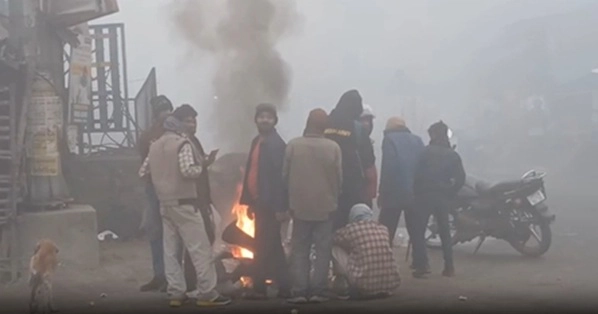
In a shocking incident in Bangladesh, the ideology of Hindutva has faced renewed challenges, highlighting the ongoing tensions surrounding communal identity in the region. A drug dealer became the target of a brutal mob attack, where an attempt was made to burn him alive. This harrowing event is not only a reflection of the struggles faced by marginalized communities but also serves as a stark reminder of the violence that can erupt in such volatile environments. The drug dealer, in a desperate bid for survival, managed to leap into a nearby pond, escaping the mob’s clutches and the horrific fate that awaited him.
The brutality of this incident has left many in shock, as it underscores the extreme lengths to which individuals may go in their quest for retribution or justice. Such acts of violence not only threaten the lives of those directly involved but also instill fear within the broader community. The societal implications of this attack are profound, as it raises questions about safety, justice, and the very fabric of communal relations in Bangladesh. The incident serves as a grim reminder of the ongoing struggles faced by various groups, particularly those who are marginalized or targeted due to their social standing or religious beliefs.
As the story unfolds, it becomes increasingly clear that the issues surrounding Hindutva and its implications in Bangladesh are complex and multifaceted. The attempt to burn the drug dealer alive is not merely an isolated incident; it reflects deeper societal fractures and the ongoing battle between different ideologies. This brutality resonates on a larger scale, revealing the urgent need for dialogue, understanding, and reconciliation in a country marked by diversity yet challenged by intolerance. The incident not only shakes the foundations of Hindutva in Bangladesh but also calls for a collective reflection on how society addresses violence and promotes peace amid differences.