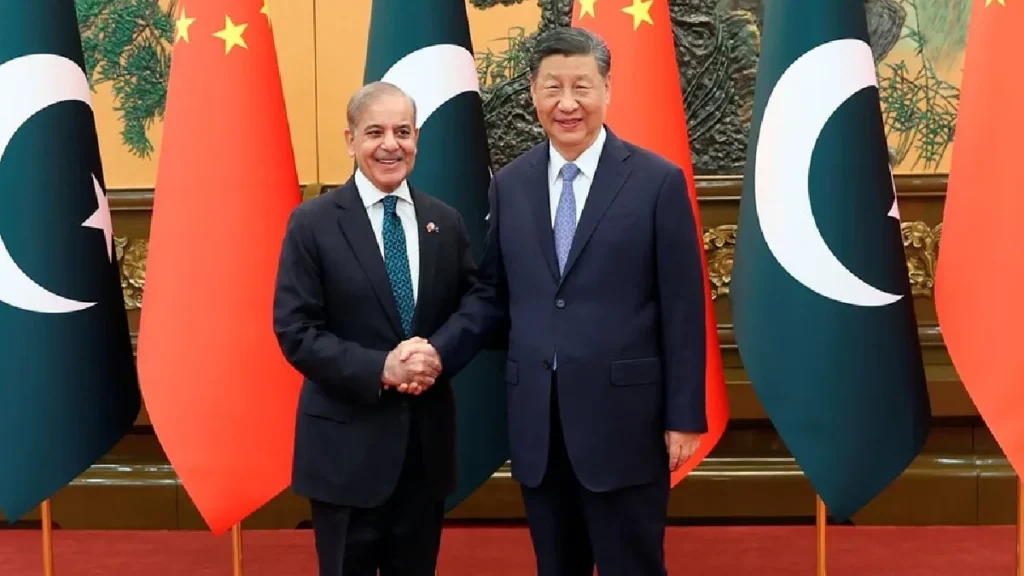
Pakistan has recently reiterated its position, crediting China for brokering a ceasefire during Operation Sindoor. This assertion echoes a claim made earlier by former U.S. President Donald Trump, who had suggested that China played a crucial role in facilitating peace talks between Pakistan and India. The situation underscores the complex geopolitical dynamics in the region, where China’s influence is increasingly being acknowledged by Pakistan as a significant factor in its diplomatic relations.
The acknowledgment of China’s role in securing a ceasefire is indicative of Pakistan’s strategic alignment with Beijing, particularly in the context of its long-standing rivalry with India. The partnership between Pakistan and China has grown stronger over the years, especially in economic and military sectors, and this latest development further solidifies that bond. By attributing the success of the ceasefire to China, Pakistan not only seeks to highlight its close ties with its ally but also to position itself as a player that can manage its conflicts with India through external partnerships.
Moreover, the reiteration of this claim by Pakistan could be seen as a diplomatic maneuver to gain leverage in future negotiations with India. By framing China as a mediator, Pakistan aims to enhance its bargaining position while also sending a message to India about the international support it enjoys. This reflects a shift in the traditional power dynamics of the region, where external forces, particularly China, are increasingly stepping into the role of mediators in disputes that have historically been bilateral.
As the situation evolves, it will be essential to monitor how this acknowledgment influences the broader geopolitical landscape in South Asia. The implications of a stronger China-Pakistan axis could have far-reaching effects on regional stability, especially concerning India’s response to these developments. Ultimately, the interplay between these nations will shape the future of peace and conflict in the region, raising questions about the efficacy of traditional diplomacy in the face of new alliances and influences.