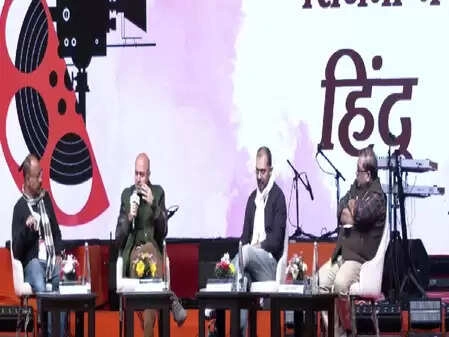
The “Shabdotsav 2026” event will explore significant trends in Indian cinema, particularly focusing on the portrayal of Hinduism since the 1970s. According to Prashant Kashyap, a noted film critic and cultural analyst, there has been a remarkable transformation in the way Hindu identity and spirituality are depicted on screen. In the 1970s, films often reflected a more traditional and perhaps simplistic understanding of Hinduism, characterized by mythological narratives and moral stories that emphasized dharma (righteousness) and religious values.
However, over the decades, this portrayal has evolved considerably. The 1980s and 1990s brought about a surge in films that began to question and reinterpret Hindu beliefs, often delving into the complexities of human emotions and societal issues. Directors and writers started using Hindu mythology as a backdrop to explore contemporary themes, such as love, betrayal, and social justice, thereby making the narratives more relatable to modern audiences. This shift is reflective of broader societal changes and the growing influence of globalization, which has prompted filmmakers to engage with Hinduism in a more nuanced and critical manner.
In recent years, the trend has continued to evolve, with filmmakers increasingly incorporating diverse perspectives on Hinduism, including feminist interpretations and dialogues around caste and class. This has led to a richer tapestry of stories that resonate with various segments of the Indian population. The ongoing discourse around Hinduism in cinema also raises questions about cultural identity and the role of religion in a rapidly changing society. As we look forward to “Shabdotsav 2026,” it is essential to reflect on these transformations and their implications for both cinema and the cultural landscape of India.
In conclusion, the portrayal of Hinduism in cinema since the 1970s illustrates a journey from traditional narratives to complex, multifaceted representations that engage with contemporary issues. This evolution not only mirrors the changing dynamics of Indian society but also enriches the cinematic experience for audiences, inviting them to reflect on their own beliefs and identities in a modern context.