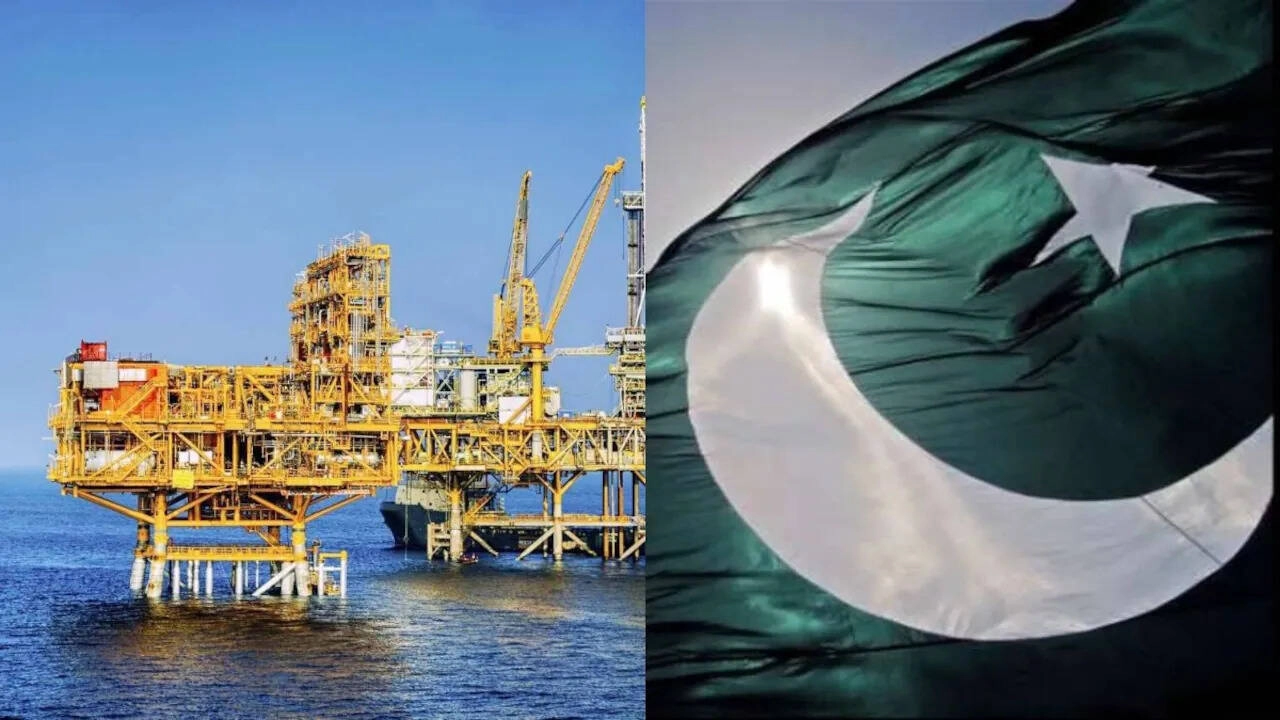
Pakistan, a country grappling with economic challenges, has recently made a significant discovery of oil and gas reserves, often referred to as ‘black gold’. This find has raised hopes among the leadership, particularly Prime Minister Shahbaz Sharif and Army Chief Munir, who are expressing optimism about the potential improvements to the nation’s economic conditions. The term ‘black gold’ typically symbolizes the transformative power of oil and gas resources, which can provide substantial revenue and boost the country’s financial stability if harnessed effectively.
The discovery of these reserves could be a game-changer for Pakistan, which has long been dependent on foreign aid and loans to sustain its economy. With the rising global energy prices, tapping into local oil and gas resources may allow Pakistan to reduce its import bills and enhance its energy security. This newfound resource could also attract foreign investment, creating job opportunities and stimulating economic growth. However, while the excitement among the leadership is palpable, the real challenge lies in the effective management and development of these resources to ensure they translate into tangible benefits for the broader population.
Moreover, the successful exploitation of oil and gas reserves will require substantial investment in infrastructure, technology, and skilled labor. Pakistan will need to navigate complex geopolitical dynamics and secure favorable agreements with international energy companies to maximize the potential of these resources. Additionally, addressing environmental concerns and ensuring sustainable practices will be crucial to avoid the pitfalls that have plagued other nations rich in natural resources. Therefore, while the discovery of oil and gas reserves in Pakistan brings hope, it is essential to approach this opportunity with careful planning and management to truly improve the country’s economic landscape.