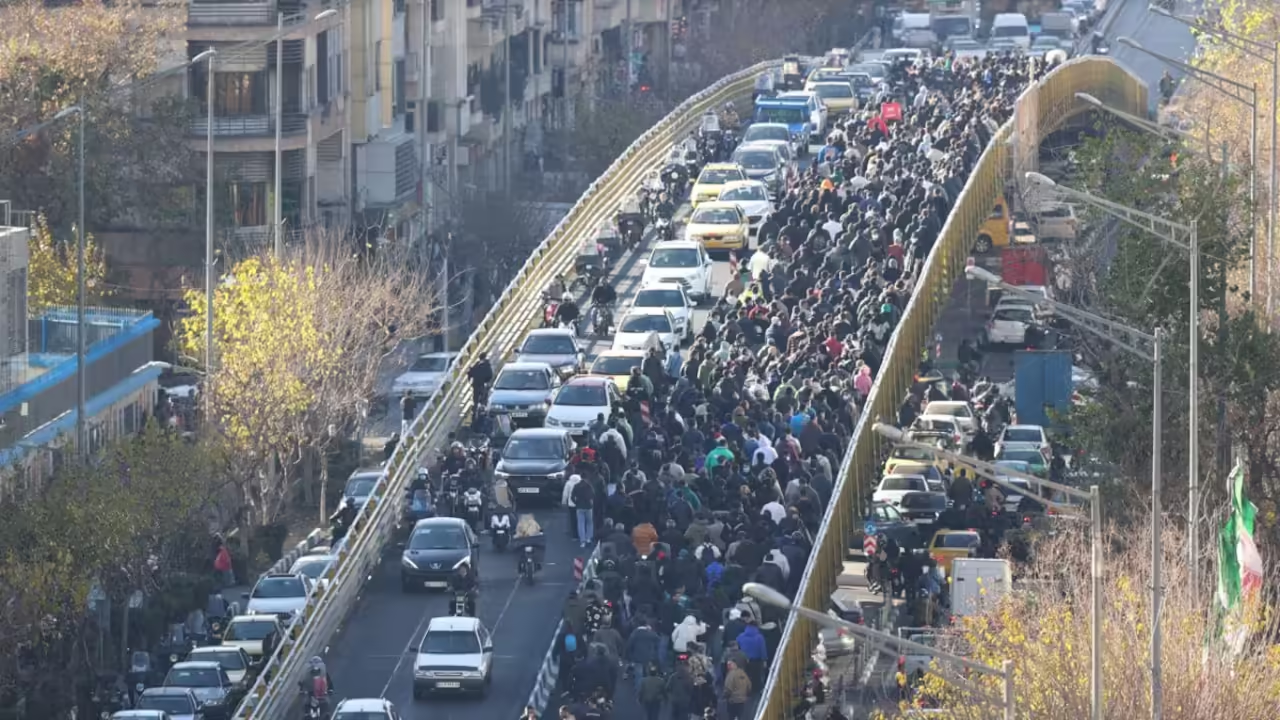
The situation in Iran has become increasingly tense, marked by a growing demand for regime change. This unrest has been fueled by a series of protests and violent incidents across 21 of the country’s provinces. The roots of these demonstrations can be traced to various social, economic, and political grievances held by the Iranian populace. Citizens are expressing their frustration over issues such as government corruption, economic mismanagement, and restrictions on personal freedoms, which have been exacerbated by the ongoing economic crisis and international sanctions.
The recent protests have seen a diverse array of participants, including students, workers, and marginalized groups, all united in their calls for change. The government’s response has been heavy-handed, with reports of violence against protesters and widespread arrests. This crackdown has only intensified public anger and has inspired more people to take to the streets, demanding an end to the ruling regime. The Iranian government, in turn, has attempted to portray these movements as foreign instigations or as the actions of a minority, but this narrative has failed to quell the discontent among the broader population.
As the situation evolves, it raises questions about the future of Iran’s political landscape. The combination of widespread dissatisfaction and the government’s inability to address the people’s needs could lead to significant shifts in power. Observers are closely monitoring the developments, as the potential for change could have profound implications not only for Iran but also for the stability of the broader Middle East region. The international community is also watching, as any significant upheaval in Iran could impact geopolitical dynamics, including relations with neighboring countries and ongoing nuclear negotiations. The call for regime change is not merely a fleeting moment of unrest; it symbolizes a deeper yearning for a more democratic and equitable society among the Iranian people.