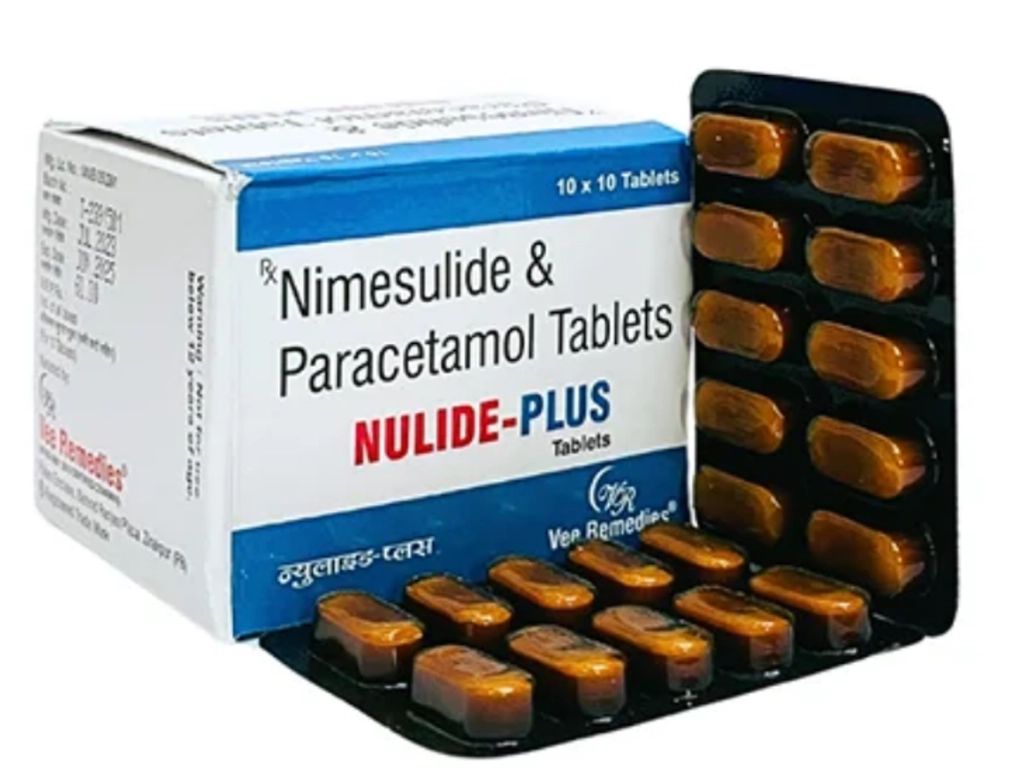
The Indian government has implemented a ban on the sale and distribution of Nimesulide in doses exceeding 100 mg. This decision has been influenced by growing concerns about the safety and efficacy of the drug, particularly in relation to its potential side effects. Nimesulide, a non-steroidal anti-inflammatory drug (NSAID), has been commonly used for the treatment of pain and inflammation, but its association with serious adverse effects, especially on liver health, has raised red flags among health authorities.
The ban aims to protect public health and ensure that patients are not exposed to unnecessary risks associated with higher doses of Nimesulide. Studies and reports over the years have indicated that Nimesulide can lead to hepatotoxicity, a condition that can cause severe liver damage in some individuals. By restricting the dosage to 100 mg or less, the government hopes to minimize these risks while still providing patients with access to effective pain relief options.
Health experts have welcomed the government’s decision, emphasizing the importance of prioritizing patient safety over the availability of certain medications. They argue that while Nimesulide can be effective for managing pain and inflammation, the potential for serious side effects necessitates caution in its use. The move to limit the dosage reflects a broader trend in the pharmaceutical industry towards greater scrutiny of drug safety and the implementation of regulations to safeguard public health. As the healthcare landscape continues to evolve, the government remains vigilant in monitoring the safety profiles of various medications to ensure that the well-being of citizens is always the top priority.