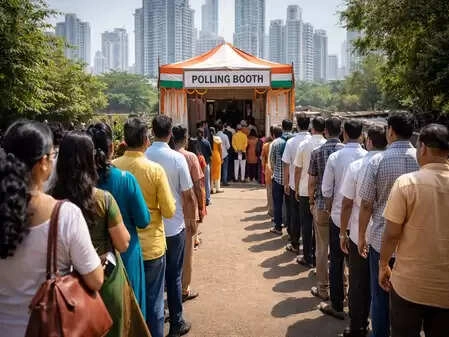
The upcoming elections for the Brihanmumbai Municipal Corporation (BMC) are witnessing a fierce competition for its 32 seats. Political parties are gearing up for a battle that is expected to be intense, with candidates from various backgrounds vying for the opportunity to represent their constituencies. The stakes are high, with each party strategizing to capture as many seats as possible. This electoral contest is particularly significant given the importance of the BMC in governing Mumbai, India’s financial capital, where local governance plays a critical role in the lives of millions.
Interestingly, the prospects for a third front or coalition of smaller parties seem bleak at this stage. The political landscape appears to be dominated by the traditional major players, making it challenging for smaller or newer parties to gain traction. This scenario reflects the broader dynamics of electoral politics in India, where established parties often overshadow emerging alternatives. The absence of a strong third front could lead to a more polarized election, where voters may feel compelled to choose between the larger parties rather than exploring diverse options.
As the election date approaches, candidates are ramping up their campaigns, engaging with local communities, and addressing pressing issues such as infrastructure, public health, and sanitation. The outcome of these elections will not only shape the future of Mumbai’s governance but also set the tone for political alignments in the region. Given the city’s diverse population and complex challenges, the elected representatives will have a crucial role in making decisions that affect the daily lives of its residents. The competition for the BMC’s 32 seats is not just a local contest; it reflects broader trends in Indian politics and the ongoing struggle for power and representation in one of the country’s most vital urban centers.