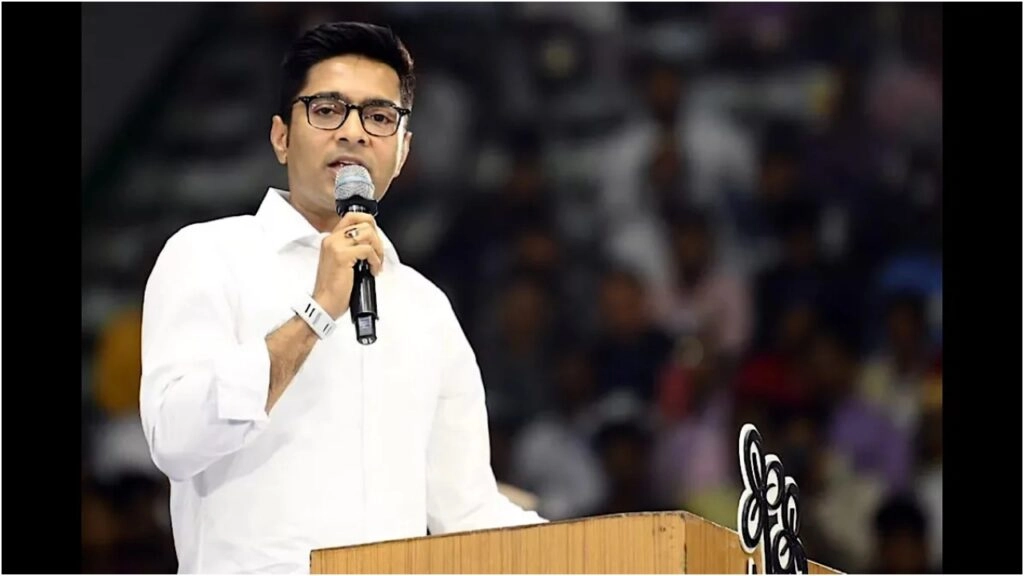
Abhishek Banerjee has recently leveled serious allegations against Chief Election Commissioner Gyanesh Kumar, raising significant concerns about the integrity of the electoral process in the country. These accusations come at a critical time when the political climate is already charged and the public’s trust in electoral institutions is paramount. Banerjee, a prominent political figure, has not only questioned Kumar’s impartiality but has also suggested that there may be underlying motivations influencing the Commission’s decisions.
The allegations detail a range of purported irregularities and biases that Banerjee claims could undermine the fairness of upcoming elections. He argues that the Chief Election Commissioner has acted in ways that favor certain political parties, potentially jeopardizing the democratic principles that should govern free and fair elections. Such statements, if proven true, could have serious implications for the electoral landscape and might lead to calls for reform within the election management body.
Furthermore, Banerjee’s remarks have sparked a broader debate about the role of the Election Commission in ensuring a level playing field for all political entities. Critics of the current administration are rallying behind Banerjee’s claims, suggesting that there is a growing concern about the erosion of democratic norms. As the situation develops, it will be crucial to monitor how the Election Commission responds to these allegations and whether any investigations will take place to address these serious concerns. The outcome of this situation could shape public perception and trust in the electoral process as the country approaches its next elections.