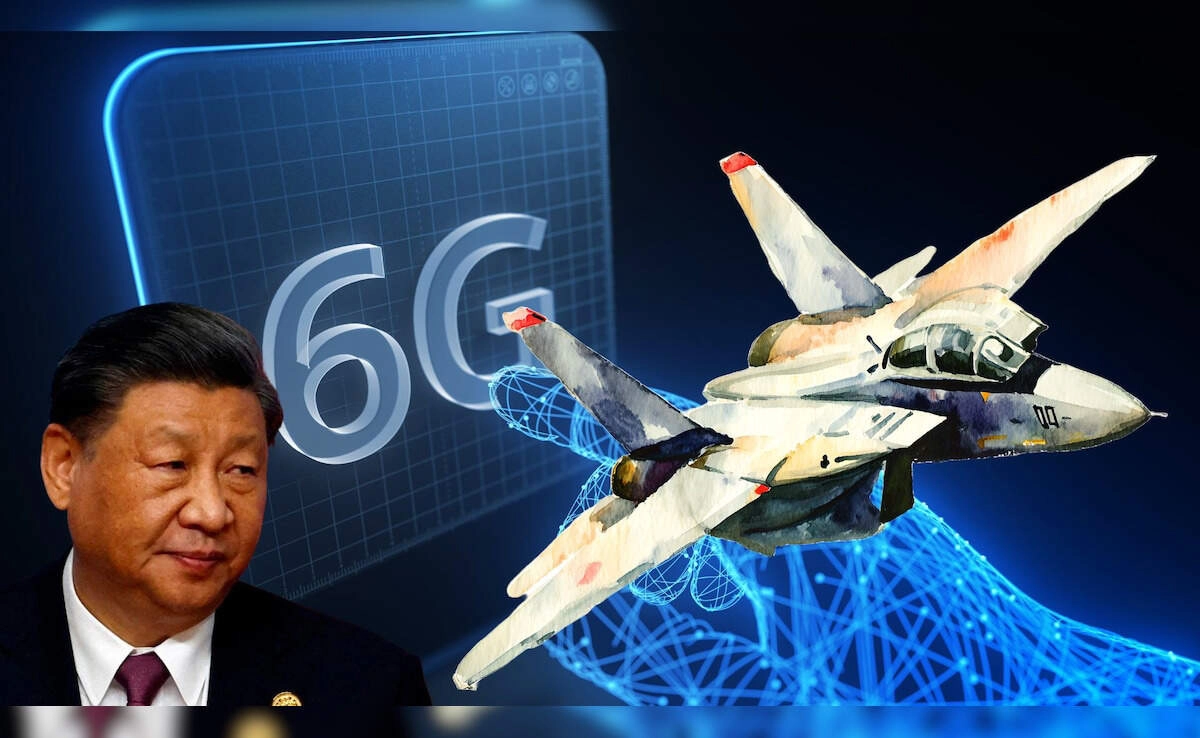
China has developed a groundbreaking technology that could revolutionize the future of warfare: a fighter jet that operates without traditional fuel sources. This innovative advancement marks a significant leap in military aviation, potentially changing the dynamics of aerial combat and strategic operations. The implications of such a technology are vast, as it not only addresses the logistical challenges associated with fuel supply in warfare but also enhances the operational capabilities of the air force.
The concept of a fuel-less fighter jet introduces a new paradigm in aerial warfare. By utilizing alternative energy sources or advanced propulsion systems, these jets could maintain prolonged missions without the need for refueling. This capability would allow for greater flexibility in deployment and reduce the vulnerability associated with aerial refueling operations, which are often targeted during conflicts. As nations continue to invest in advanced military technologies, the advent of fuel-less aircraft could shift the balance of power in air superiority.
Moreover, the environmental impact of such technology cannot be overlooked. Traditional fighter jets consume large amounts of fossil fuels, contributing significantly to carbon emissions. A transition to fuel-less aircraft could represent a step towards more sustainable military practices, aligning with global efforts to combat climate change. However, the development and implementation of this technology also raise questions about its ethical implications and the potential for an arms race, as nations might rush to adopt similar advancements to ensure their military dominance.
In conclusion, China’s development of a fuel-less fighter jet showcases an important milestone in military technology that could redefine the future of warfare. As nations contemplate the strategic benefits of such innovations, the landscape of aerial combat may undergo profound changes. This advancement not only promises enhanced operational efficiency but also poses critical questions about sustainability and the ethical considerations of modern warfare. As the world watches, the next steps in this technological journey will be crucial in determining the future of military aviation.