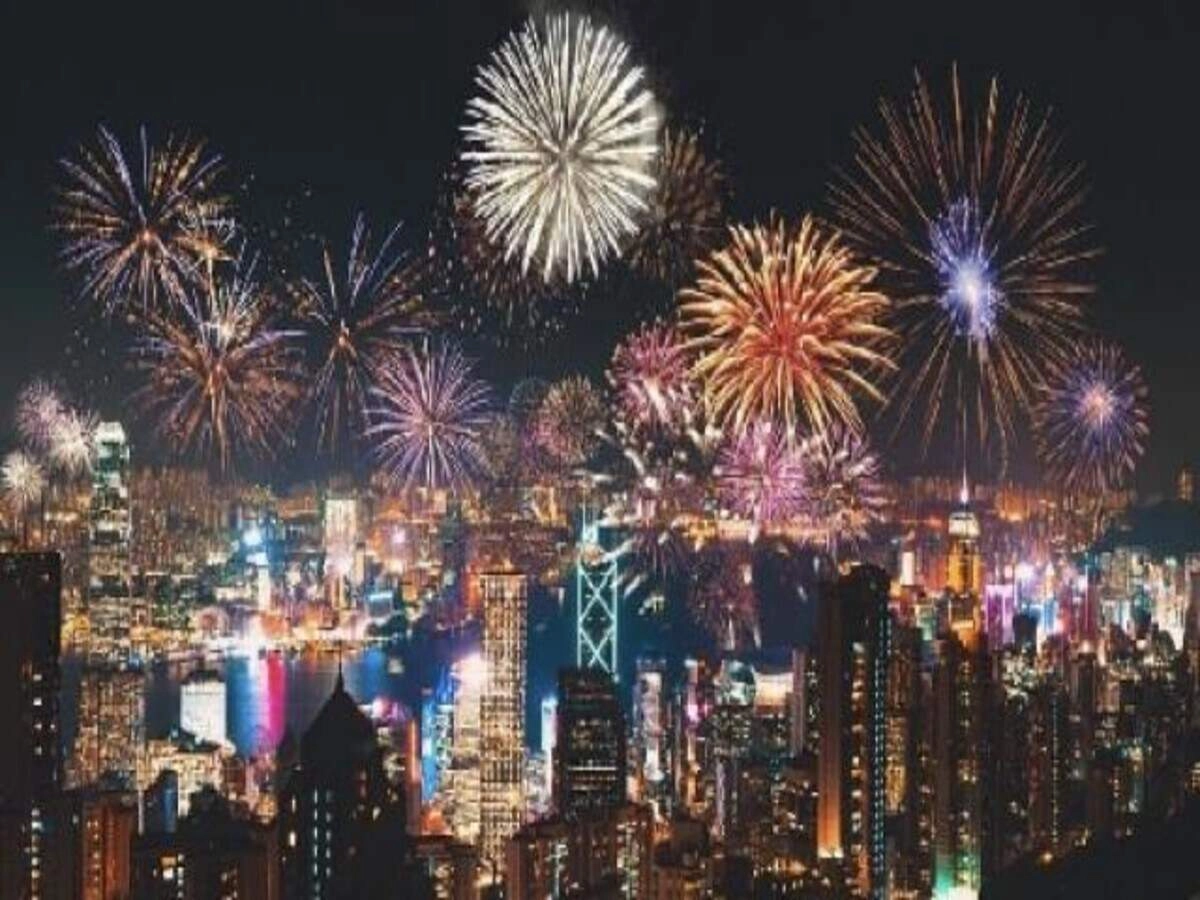
In a significant move, the country with the largest Muslim population in the world has decided to impose restrictions on New Year celebrations, particularly banning fireworks and loud celebrations. This decision has sparked discussions and debates regarding its underlying reasons and implications for the people. The government’s stance reflects a commitment to maintaining peace and order, especially during a time when festivities can sometimes lead to disturbances and unrest.
The prohibition on fireworks and noise during the New Year celebrations is not merely a measure of control but is also rooted in cultural and religious considerations. Many communities within the country adhere to Islamic principles that emphasize respect, reflection, and a sense of community rather than extravagant celebrations. Consequently, this decision can be seen as an effort to align public festivities with the values held by a significant portion of the population.
Furthermore, the decision to restrict such celebrations may also be influenced by concerns over public safety and environmental factors. Fireworks can pose hazards not only to individuals but also to property, and they contribute to air pollution, which is a growing concern in urban areas. By curbing these activities, the government aims to promote a safer and more sustainable environment for its citizens.
As the New Year approaches, it will be interesting to observe how this decision is received by the public and how it will affect traditional celebrations. While some may view it as an imposition, others might see it as a necessary step towards fostering a more harmonious society. Ultimately, this move invites a broader conversation about the intersection of culture, religion, and modernity in the context of one of the world’s most populous nations.