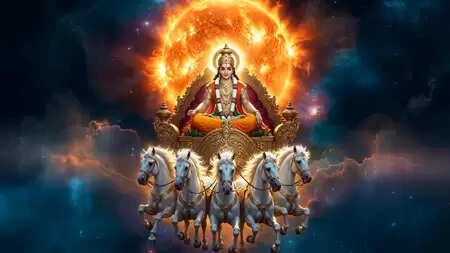
The period of Kharmas, also known as Mal Maas, is considered inauspicious for performing auspicious activities in Hindu culture. This month, which typically occurs when the sun transitions from Sagittarius to Capricorn, is marked by the absence of specific rituals and ceremonies that are usually deemed favorable. The belief surrounding this period is deeply rooted in various mythological tales and cultural practices, one of which involves the symbolism of the donkey, or ‘gadha’ in Hindi.
The association of the donkey with Kharmas stems from ancient traditions that regard this animal as a symbol of stubbornness and ignorance. In many stories, donkeys are depicted as creatures that lack discernment, often leading to misguided actions. This perception has led to the belief that performing any auspicious activities during Kharmas could bring about unfavorable results, akin to the foolishness attributed to the donkey. Thus, individuals are encouraged to refrain from weddings, housewarming ceremonies, and other significant events during this time.
The essence of avoiding auspicious work during Kharmas is not merely a superstition but also a time for introspection and spiritual growth. Many devotees utilize this period to engage in meditation, prayer, and self-reflection, focusing on personal development rather than external celebrations. The month serves as a reminder to pause and contemplate one’s actions and intentions, promoting a sense of inner peace and clarity.
In summary, while the association of Kharmas with the donkey may seem whimsical, it reflects a broader understanding of timing and intention in Hindu philosophy. The practices surrounding this month encourage individuals to respect the natural rhythms of time and use it wisely, fostering a deeper connection with their spiritual selves. By acknowledging the significance of this period, practitioners can align their actions with their values, ultimately leading to more meaningful experiences when the time is right to celebrate.